
Guides for home inspectors
Clear, no-fluff answers on getting licensed, passing the exam, choosing a certification, writing better reports, and growing your inspection business.
Home inspection contingency: how it works and can you back out?
A home inspection contingency lets you cancel your purchase and get your earnest money back if the inspection turns up real problems, as long as you act before the deadline in your contract. Here is how the clause works, how long you have, and what to do next.
Is a home inspection required, and what are the risks of waiving it?
No law forces most buyers to get a home inspection, but lenders, contracts, and hot markets change the math. Here is what waiving one really risks, and safer ways to make your offer stand out.
How to negotiate repairs after a home inspection
A home inspection report is your leverage, not just a checklist. Here is how to turn it into a fair repair credit, a lower price, or real fixes before you close.
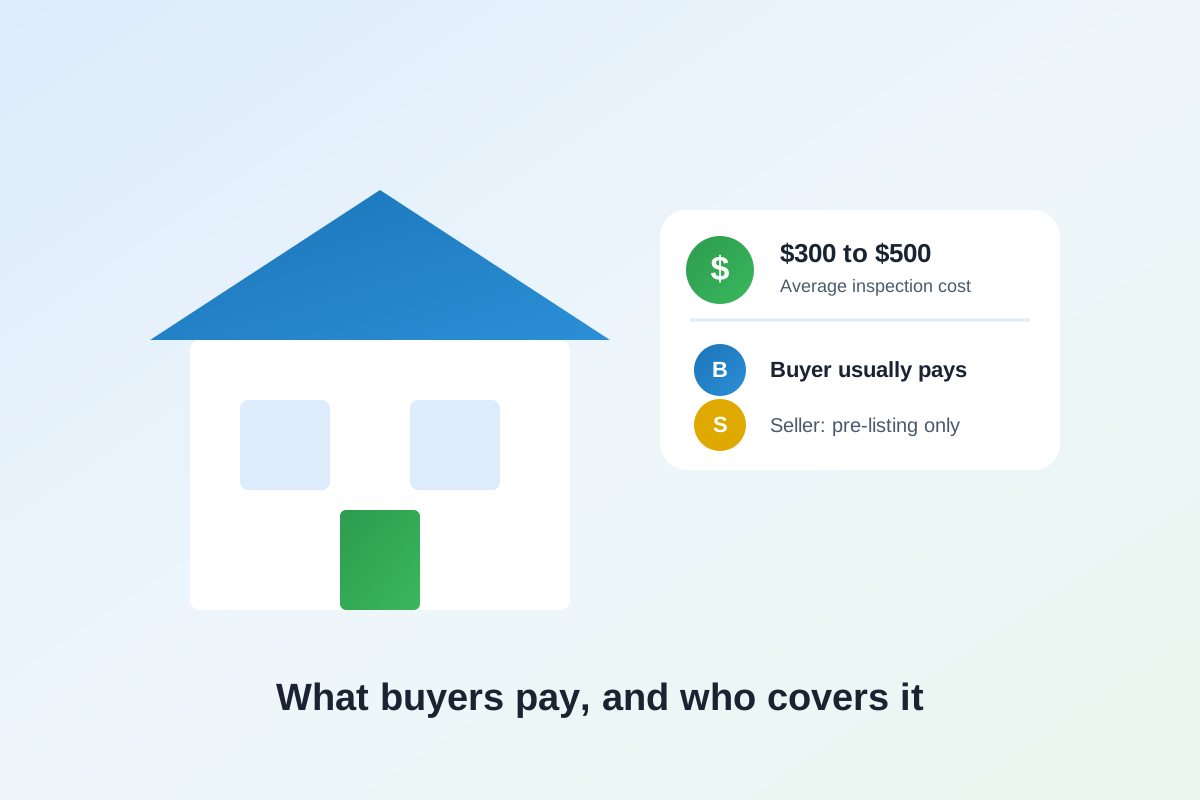
How much does a home inspection cost, and who pays for it?
Most home inspections cost between $300 and $500, and the buyer is the one who pays in almost every deal. Here is a plain-English breakdown of real prices, add-on fees, and the rare times a seller foots the bill.
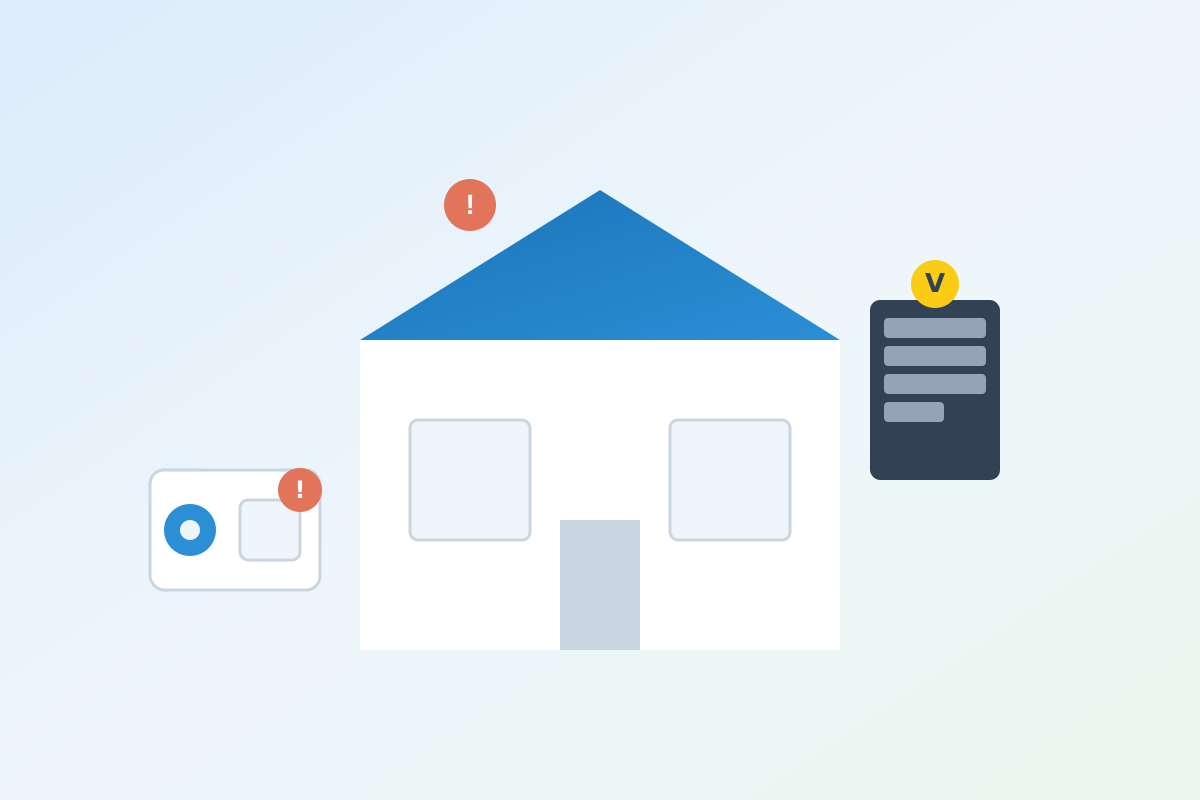
Roof, electrical, and HVAC defects home inspectors flag most
Roof, electrical, and HVAC problems top nearly every inspection report. Here is what inspectors find most, why it matters, and how to write it up fast.
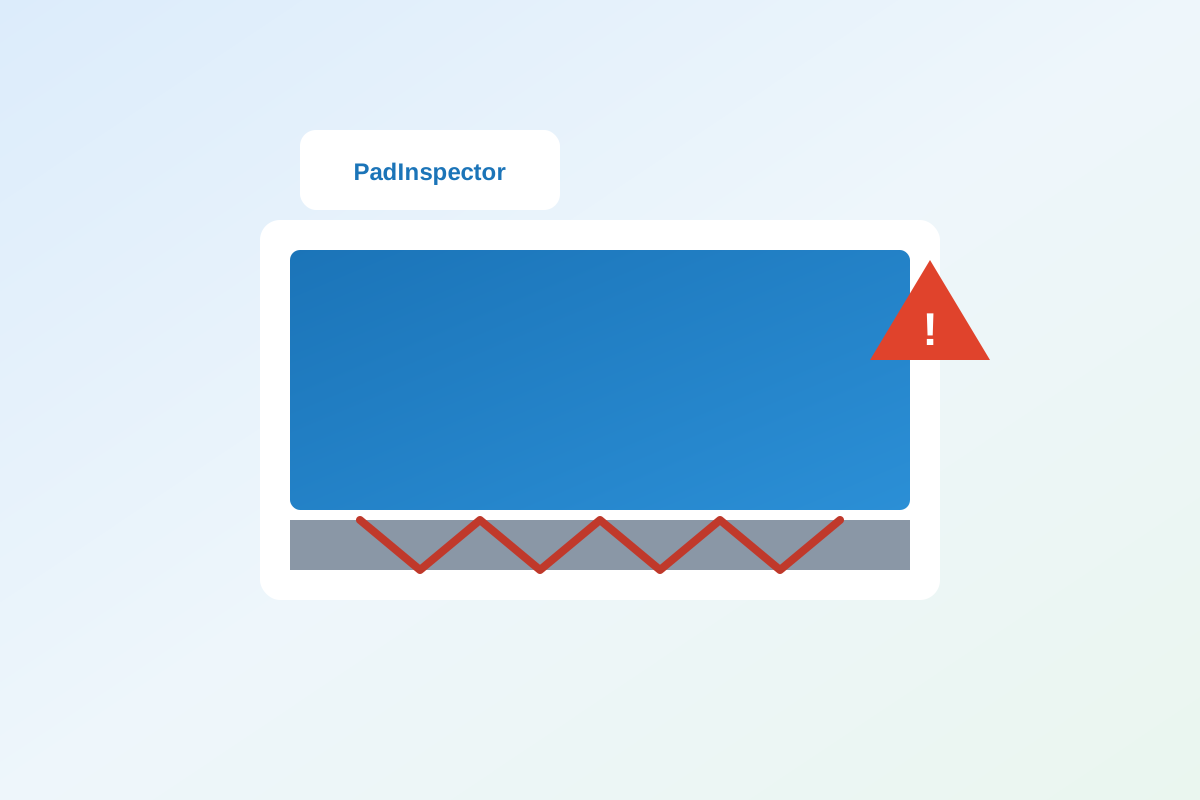
Which foundation cracks are serious red flags to a home inspector?
Not every foundation crack means trouble, but some do. Here is a plain-English guide to the widths, shapes, and warning signs that turn a small crack into a real red flag.
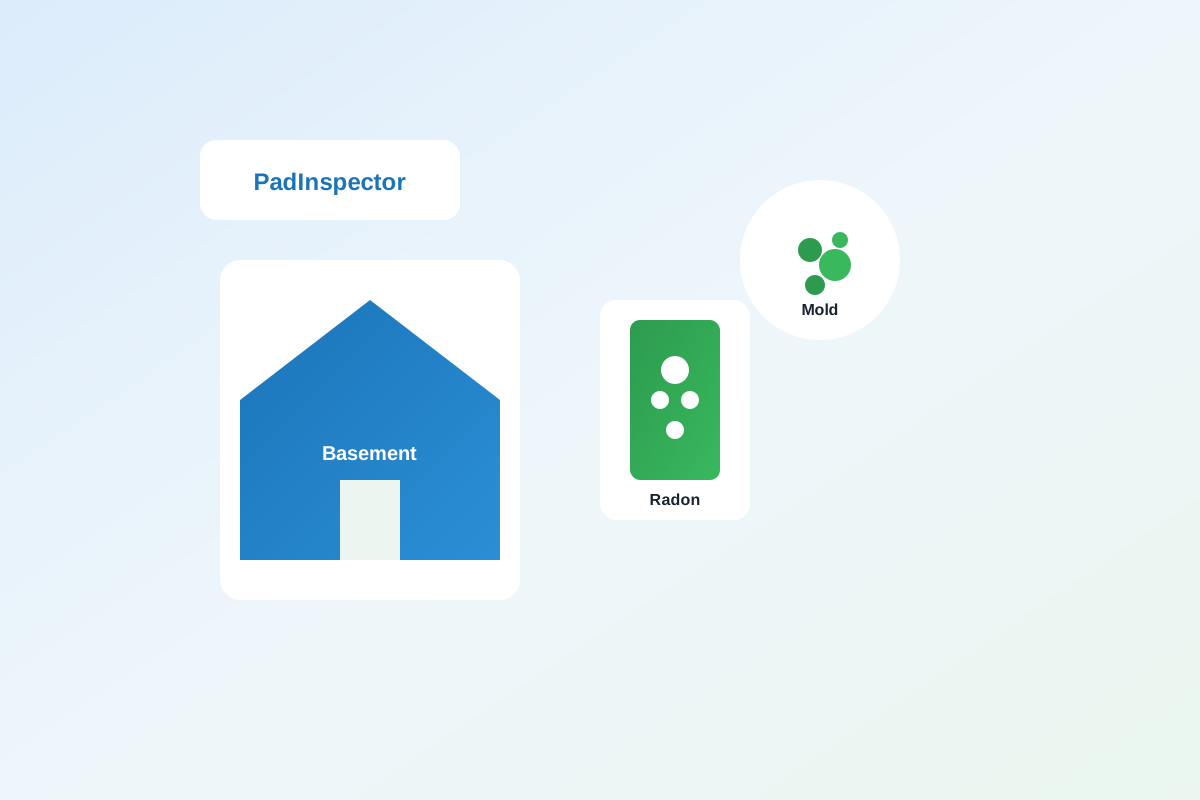
Radon and mold testing in a home inspection: what buyers should know
A standard home inspection does not test for radon or mold. Here is what buyers should ask for instead, what the tests cost, and how to read the results before closing.
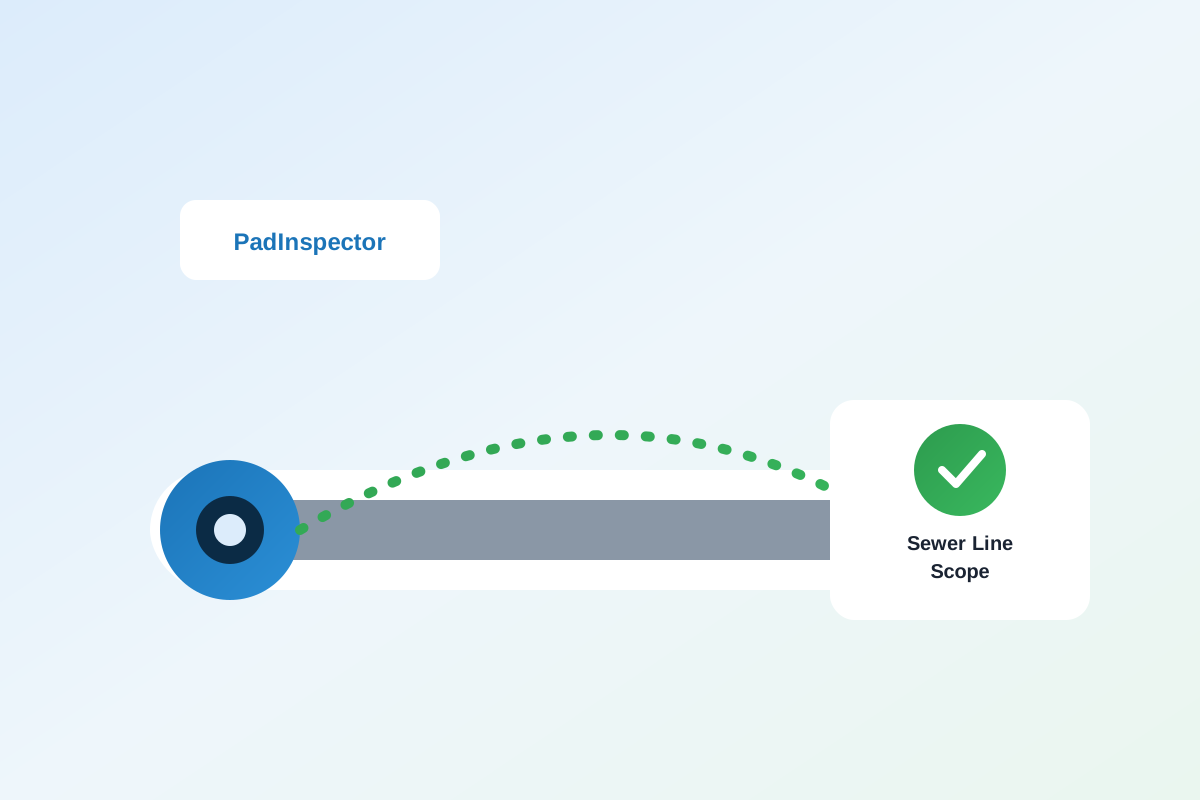
What is a sewer scope inspection, and do home buyers really need one?
A sewer scope sends a tiny camera through the pipe under your yard so you can see cracks, roots, and blockages before you buy. Here is when a buyer really needs one.
What are the biggest red flags that show up in home inspection reports?
Foundation cracks, old electrical panels, aging roofs, risky pipe materials, and hidden water damage are the red flags that show up most in home inspection reports. Here is what each one means, why it matters, and how a sharp inspector catches and documents it.

How many photos should a home inspection report include to limit liability?
There is no magic number, but the rule that protects inspectors is simple: if you write it down, you should have a photo of it, plus shots of every area you could not access. Here is what claims data and working inspectors say actually works.
How do you write a home inspection report clients actually understand?
Clients skim inspection reports looking for answers, not jargon. Here is a plain-English guide to writing reports buyers and agents actually understand, with real examples of words to swap and how to structure every finding.
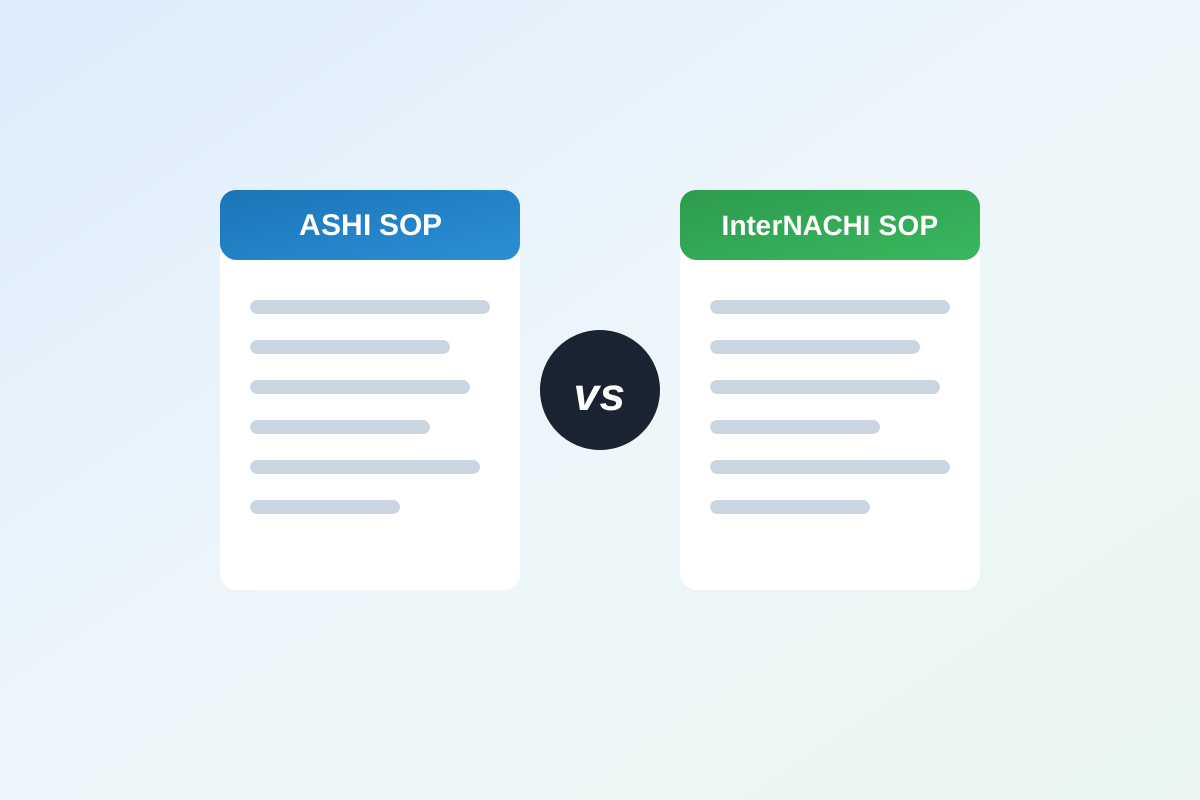
ASHI vs InterNACHI Standards of Practice explained
ASHI and InterNACHI both publish a written Standard of Practice, and the two documents overlap a lot but are not identical. Here is a plain-English, section-by-section comparison of what each one requires, excludes, and defines.
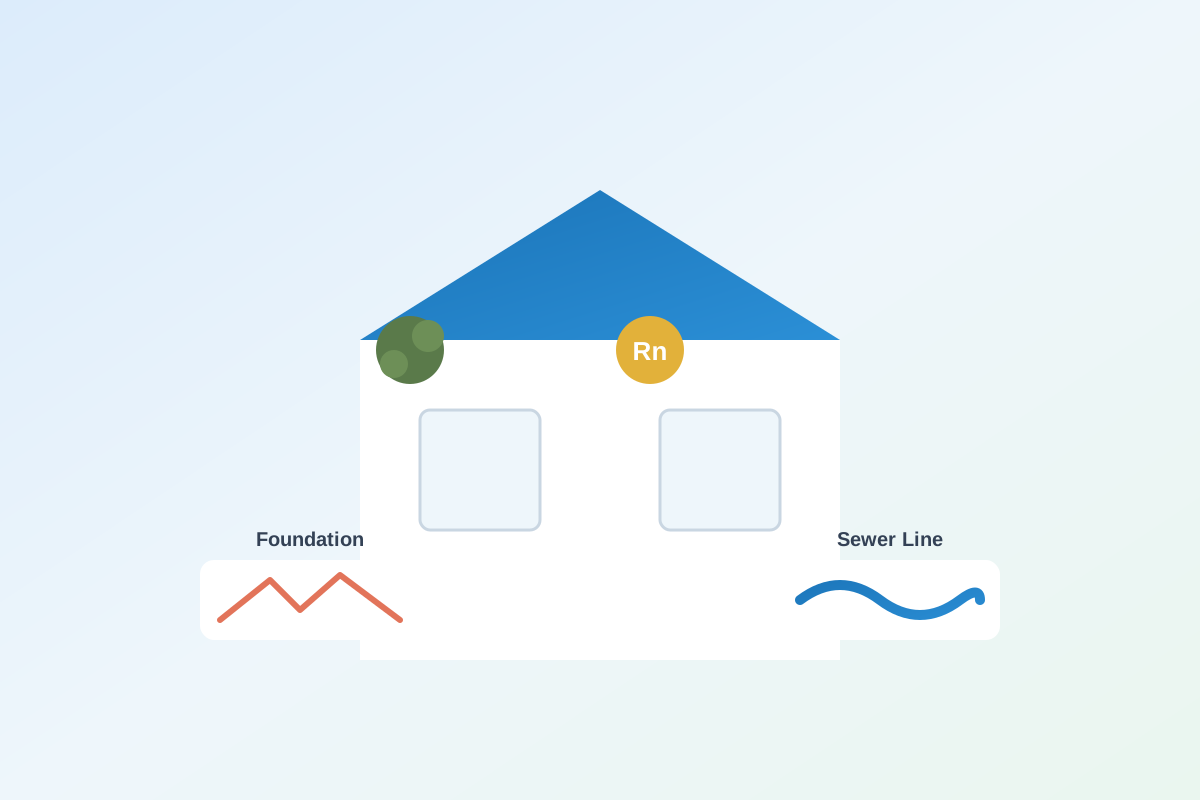
Do home inspectors check for mold, radon, foundation, and the sewer line?
A standard home inspection does not test for mold, does not test for radon, and does not run a camera down the sewer line. It does look at the foundation, but only what is visible. Here is what is really covered, in plain English.
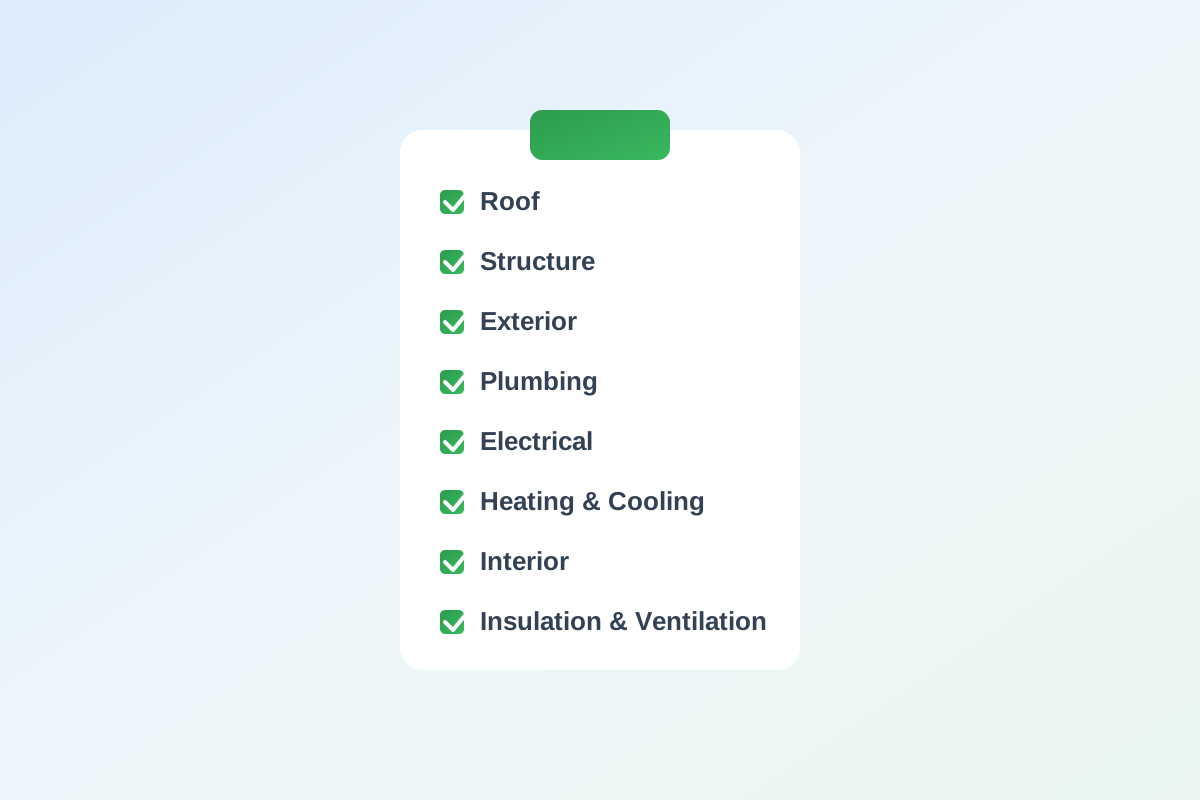
What is on a standard home inspection checklist?
A standard home inspection checklist covers ten major systems, from the roof down to the appliances. Here is the full list, system by system, plus what a typical inspection leaves out and why that matters.
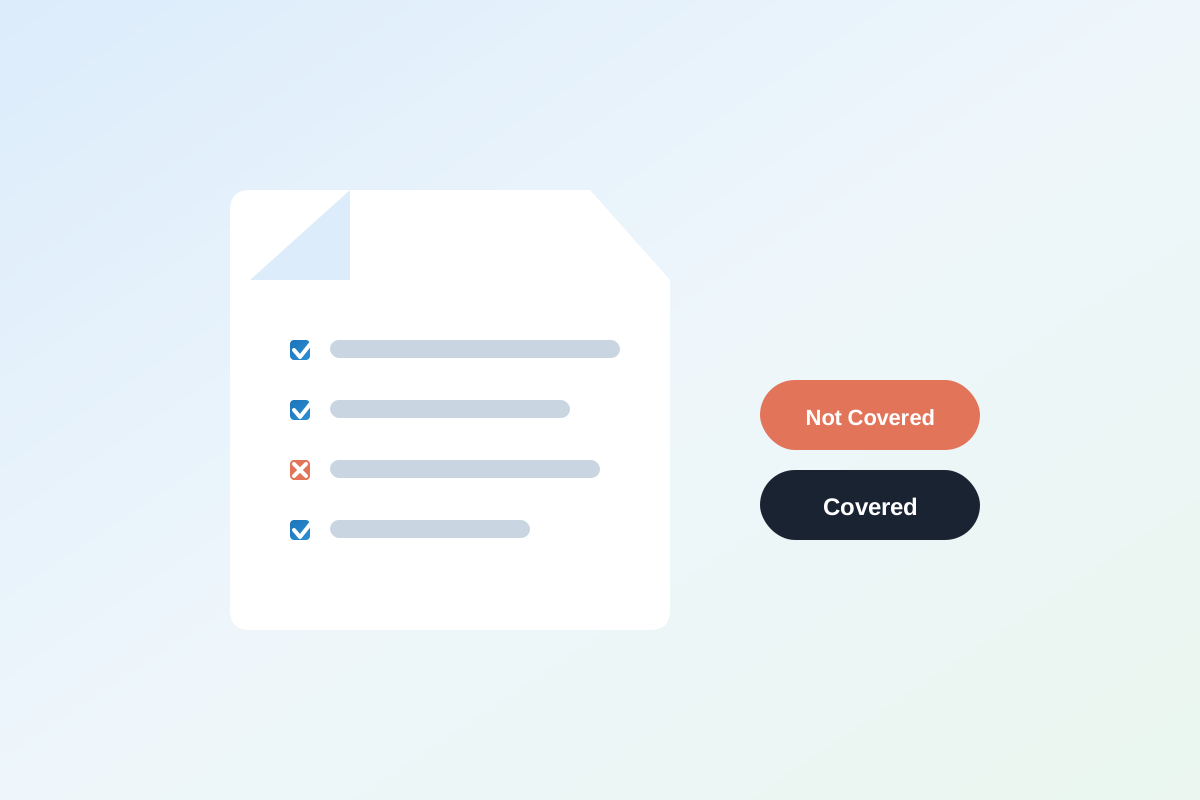
What does a home inspector check, and what does an inspection NOT cover?
A home inspection covers the roof, foundation, plumbing, electrical, HVAC, and interior, but it skips radon, mold, termites, sewer lines, and code compliance. Here is the full list of what is checked and what is not, in plain English.
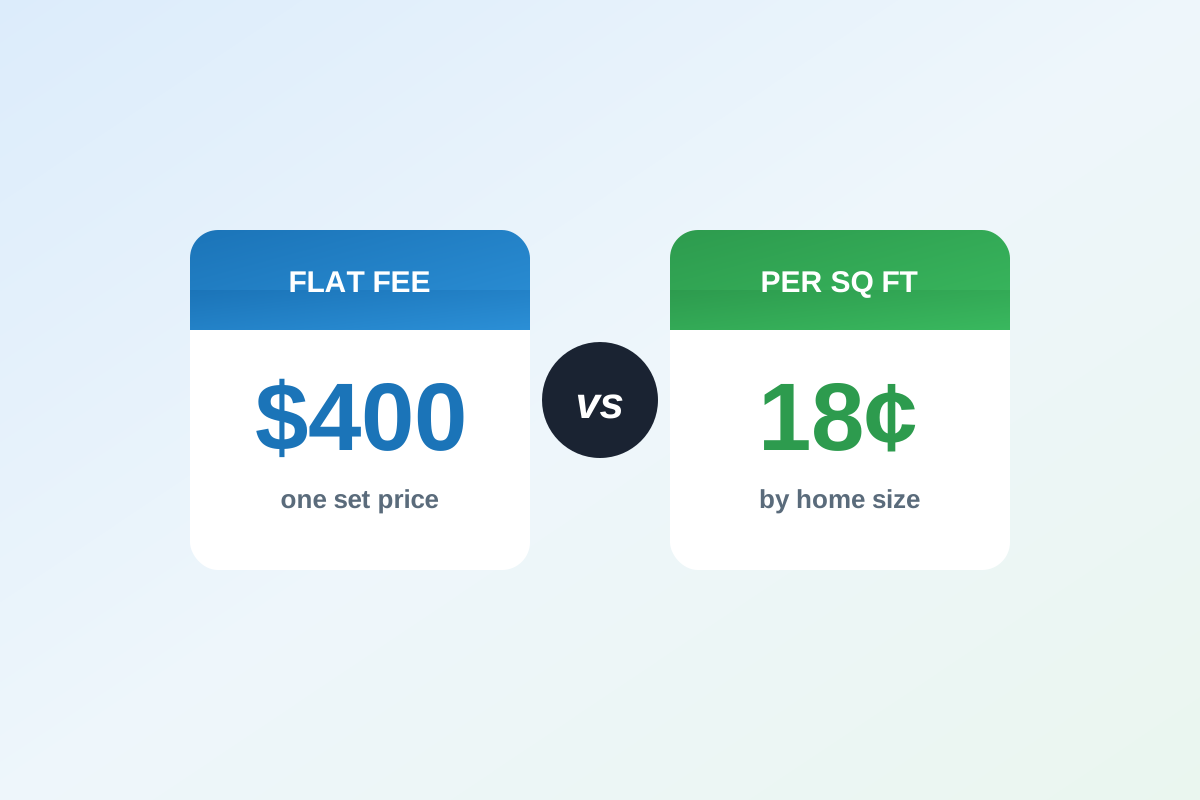
How much should a new home inspector charge: flat fee vs. by square foot?
New inspectors often ask how to price a job: one flat fee or a rate per square foot? Here is a plain-English guide with real 2026 numbers, pros and cons, and a simple way to set your rate.
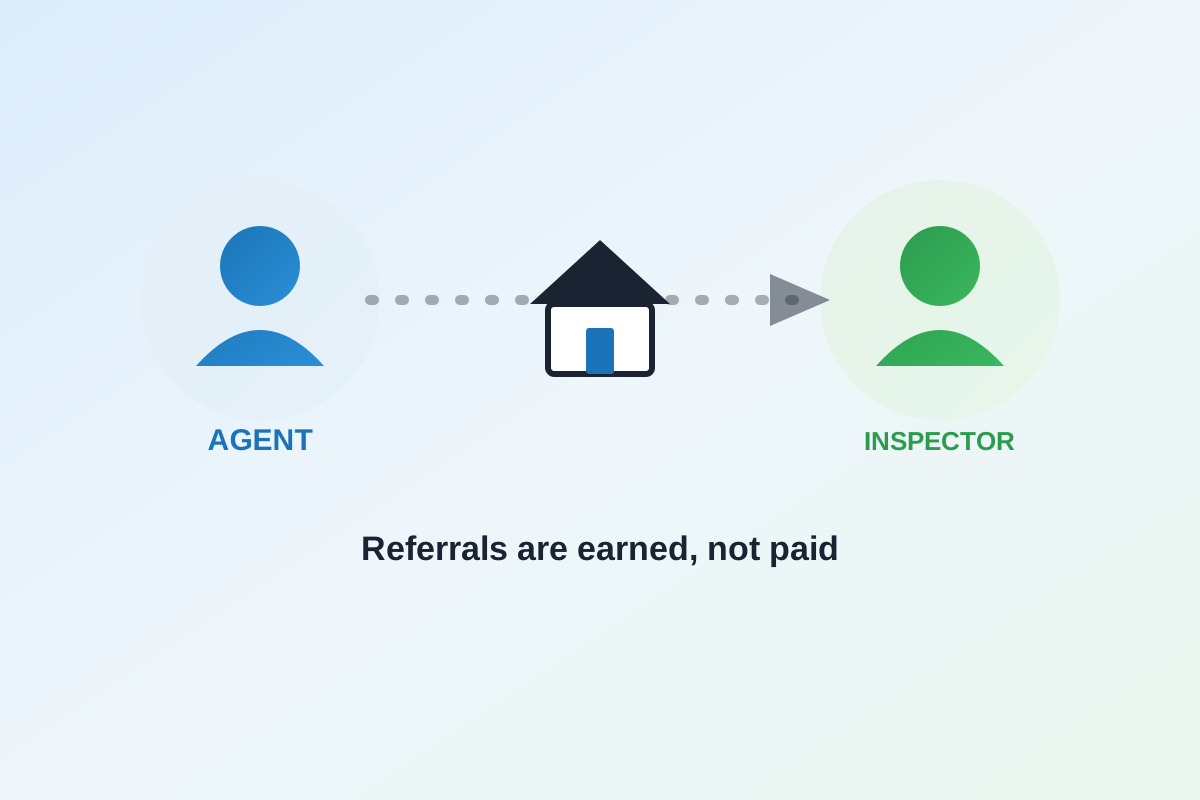
How do home inspectors get referrals from real estate agents?
Home inspectors earn agent referrals by being reliable, fast, and easy to work with, not by paying for them. Here is how to build those relationships the right way, plus the RESPA rules you cannot ignore.
How much does home inspector E&O insurance cost, and do you need it?
Home inspector E&O insurance usually costs between 500 and 2,500 dollars a year. Here is what it covers, how it differs from general liability, which states require it, and simple ways to pay less.

Is owning a home inspection business profitable, and how long does it take to break even?
A home inspection business can be very profitable, and many owners break even within their first year. Here is a plain-English look at startup costs, fees, income, margins, and the math behind reaching profit fast.
How do you become a home inspector, and which states require a license?
Becoming a home inspector takes training, an exam, and in most states a license. Here is the step-by-step path, the states that do not require a license, real costs, and how long it takes.
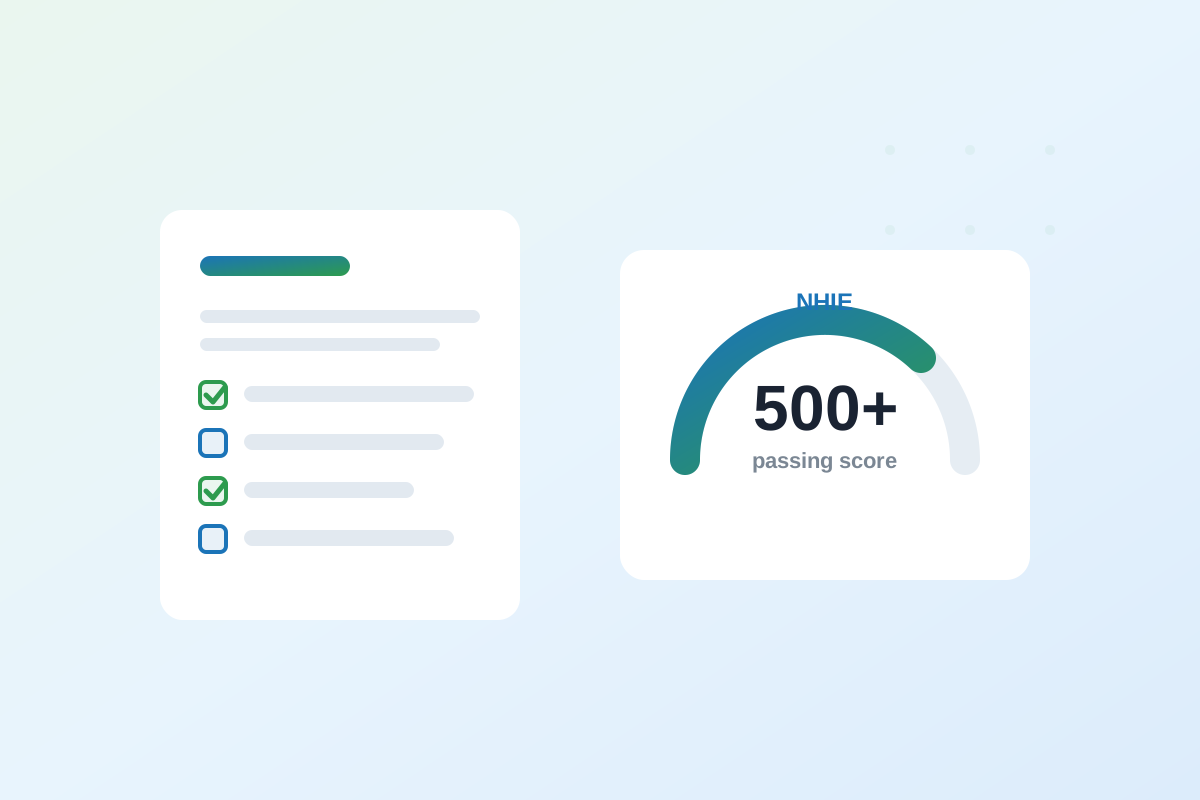
How hard is the National Home Inspector Exam and what's the pass rate?
The National Home Inspector Examination is tough but passable. Here is what the test really covers, the score you need, what people report about the pass rate, and how to prepare with confidence.
ASHI vs InterNACHI: which certification is better for new inspectors?
ASHI and InterNACHI are the two big home inspector groups, and new inspectors often ask which one to join. Here is a fair, plain-English look at cost, exams, training, and perks, plus a simple way to choose.
Built by inspectors, for inspectors
PadInspector writes your report while you walk and talk. See the voice-to-report features built to save you hours on every job.