
What does a home inspector check, and what does an inspection NOT cover?
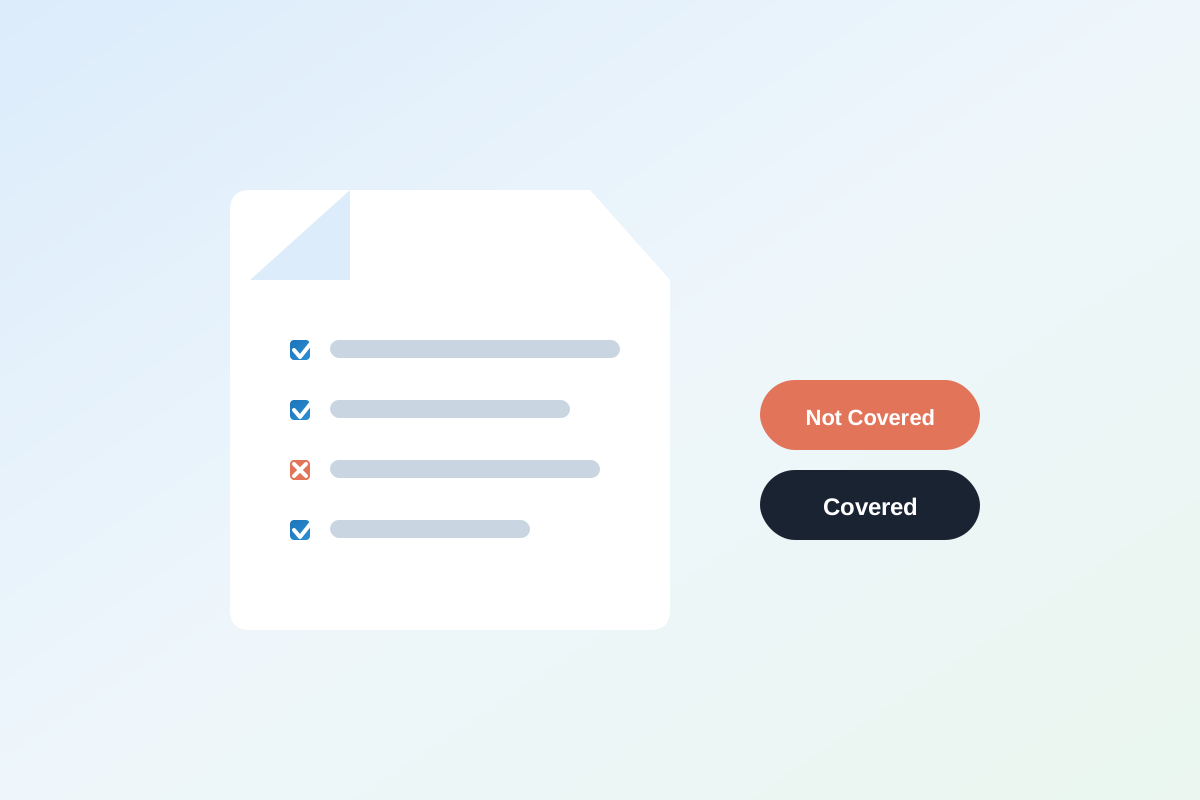
A standard home inspection covers the big, visible systems of a house: the roof, foundation, plumbing, electrical, heating and cooling, and interior structure. According to NerdWallet's breakdown of what to expect from a home inspection, a typical inspection does not include specialty testing for things like radon, wood-destroying insects, mold, asbestos, or lead paint. Those need separate add-on services. Knowing the line between the two lists before inspection day saves everyone a headache, and it is the question we answer in full below.
- A standard inspection is a visual, non-invasive look at the roof, foundation, plumbing, electrical, HVAC, interior, and exterior.
- It does NOT include radon, mold, termites, underground sewer lines and septic systems, or code compliance. Those are separate add-on services.
- The split follows a published Standard of Practice from ASHI or InterNACHI, not the inspector's effort on the day.
- A clean report means "nothing visible was wrong," not "the house is perfect." Book the add-on tests that fit the property.
Whether you are a homeowner trying to understand your own report, a new inspector learning the boundaries of the job, or an agent explaining the process to a nervous buyer, this guide walks through exactly what gets checked, what gets left out, and why the split exists in the first place.
What is a home inspection, really?
A home inspection is a visual, non-invasive look at a house's major systems and structure. An inspector walks the property, tests what they can safely reach, and writes up a report describing the condition of what they saw. The Consumer Financial Protection Bureau puts it simply: you want an inspector who is honest, thorough, and accountable only to you, not to the seller or the agent trying to close the deal fast.
The inspector does not open up walls, dig up yards, or run lab tests. They look, they test what is safe to test, and they report. That is the whole job, and it is also exactly why some things fall outside the scope.
Most inspections follow a written Standard of Practice from ASHI or InterNACHI. That document sets exactly which systems are in scope and which are excluded, so what gets checked is the same defined list from one inspector to the next, not a judgment call made on the day.
What does a home inspector check during a walkthrough?
Most inspections follow a Standard of Practice published by a group like the American Society of Home Inspectors (ASHI) or the International Association of Certified Home Inspectors (InterNACHI). Both standards cover the same core areas, room by room and system by system.
Roof, attic, and chimney
The inspector looks at the roof covering, flashing, gutters, downspouts, and any skylights or chimney penetrations. In the attic, they check the framing for sagging or damage, the insulation levels, and whether the space is vented the way it should be. A dark stain on the attic decking is often the first clue of a slow roof leak.
Foundation and structure
This covers the foundation type, the basement or crawl space, and the framing that holds the house up. The inspector looks for cracks, bowing walls, moisture stains, and anything that suggests the structure is settling in a way it should not.
Plumbing systems
Inspectors run the water, flush the toilets, check the water heater, and look at visible supply and drain lines for leaks or corrosion. They also test the main water shut-off and, where present, a sump pump.
Electrical systems
This means the main panel, breakers, a sample of switches and outlets, and safety devices like GFCI and AFCI protection and smoke or carbon monoxide detectors. The inspector is checking whether the system is safe to use today, not whether it meets every line of the current building code.
Heating and cooling (HVAC)
The furnace, air conditioner, thermostat, and ductwork all get tested for basic operation. The inspector notes the age, condition, and any obvious signs the system is not doing its job.
Interior rooms and built-in appliances
Floors, walls, ceilings, stairs, railings, windows, and doors are checked room by room. Built-in kitchen and laundry appliances usually get a basic operational test too, since the National Association of Realtors' consumer guide on home inspections lists interiors and installed appliances as a standard part of the walkthrough.
Exterior, grading, and drainage
Outside, the inspector checks siding, trim, walkways, decks, and how the yard slopes away from (or toward) the foundation. Poor grading is one of the most common, and most fixable, problems an inspection turns up.
What does a home inspection NOT cover?
This is the half of the answer that surprises a lot of first-time buyers. Several serious issues sit completely outside a standard inspection, and skipping them is not an oversight. It is the rule.
| Included in a standard inspection | Excluded (needs a separate service) |
|---|---|
| Roof, flashing, gutters, attic, and chimney | Radon and indoor air quality testing |
| Foundation, basement, crawl space, and framing | Mold species identification and spore counts |
| Plumbing supply and drain lines, water heater | Termites and other wood-destroying insects |
| Electrical panel, breakers, outlets, GFCI/AFCI | Underground sewer lines, wells, and septic systems |
| Heating, cooling, thermostat, and ductwork | Code compliance and remaining service life |
| Interior rooms, built-in appliances, exterior, grading | Repair-cost estimates and concealed defects behind finishes |
Radon and indoor air quality
Radon testing is almost always a separate add-on. That gap matters more than it sounds like it should: the Environmental Protection Agency calls radon the leading cause of lung cancer among non-smokers in the United States, linked to roughly 21,000 deaths a year, and recommends fixing a home once levels reach 4 pCi/L or higher. A general home inspection will not measure any of that unless the buyer books a radon test on top of it.
Because radon is invisible and never part of a standard walkthrough, a home with a spotless inspection can still test high. If the property sits in a known radon zone, book the separate radon test before your contingency deadline, not after closing.
Mold and moisture testing
An inspector can point out visible staining or a musty smell, but identifying mold species or measuring spore counts is lab work, done by a separate specialist, not part of a standard walkthrough.
Termites and other wood-destroying insects
Termite and pest reports are their own regulated field. As the North Carolina Department of Agriculture's homeowner guide to wood-destroying insect reports explains, only a licensed pest control professional can issue that report, and that professional is not evaluating the roof, wiring, or plumbing. It works both ways: the home inspector checks the house, the pest inspector checks for insects, and neither one covers the other's territory.
Underground sewer lines and septic systems
Both major Standards of Practice, from InterNACHI and ASHI, exclude underground systems like sewer lines, wells, and septic tanks. A buried pipe is not visible and not safe to dig up during a walkthrough, so a sewer camera scope has to be scheduled as its own service if a buyer wants to check it.
Code compliance, future life expectancy, and repair costs
An inspector will tell you a water heater looks old. They will not tell you exactly how many years it has left, whether it meets the newest code, or what a replacement will cost. InterNACHI's Standards of Practice specifically state inspectors are not required to determine "the service life expectancy of any component or system," compliance with codes, or the cause of a condition. That is a deliberate line, not a gap in effort.
A quick example of a "hidden" defect
Say a pipe leaks slowly inside a finished wall. Nothing shows on the surface, so the inspector has no way to see it. That is a concealed defect, and it is a normal, expected limit of a visual inspection, not a mistake by the inspector.
What are the benefits of knowing what is checked versus excluded?
Once a buyer understands the split, the whole process gets less stressful. They stop assuming a "clean" inspection report means a perfect house, and they know which extra tests to book upfront instead of finding out too late. The CFPB notes that if a purchase contract includes an inspection contingency, the buyer generally has the right to walk away without penalty if the results are not satisfactory, so a clear report is also a real financial safety net, not just paperwork.
Knowing the boundaries also protects inspectors. When a client understands upfront that radon, sewer lines, and pest activity sit outside the standard scope, there is far less confusion (and far fewer angry calls) after closing. A short conversation before the walkthrough, covering exactly what the report will and will not include, tends to save everyone time later.
What should you watch out for before hiring an inspector?
A good inspection is only as good as the person doing it and the standard they follow.
Ask what standard they follow
A licensed inspector working from a recognized Standard of Practice, like ASHI's or InterNACHI's, is checking a defined, consistent list of items. That is worth confirming before you hire anyone.
Ask what add-on tests you may need
Some homes call for specialty tests that sit outside the standard scope. It is worth asking your inspector directly which of these make sense for the specific property, rather than assuming the standard inspection covers everything:
- A radon test, especially in a known radon zone or on any home with a basement.
- A sewer camera scope for older homes with mature trees or a history of backups.
- A septic inspection and a well water test where the home is not on municipal service.
- A wood-destroying insect (termite) report from a licensed pest control professional.
- Mold, asbestos, or lead-paint testing when there is visible staining, a musty smell, or an older build date.
How does PadInspector help inspectors cover everything the standard requires?
PadInspector is a voice-driven app for iPad, iPhone, and Apple Watch that helps inspectors move through every item on the Standard of Practice without missing a step. You walk the property and talk, and it transcribes your notes, attaches photos to the right area of the house, and drafts the full report before you leave the driveway.
One feature matters a lot for this exact topic: automatic code-violation lookup. As you inspect the electrical panel, plumbing, or structure, PadInspector checks what you find against the relevant codes, so nothing that falls inside the inspector's scope gets missed, even on a long day with a dozen items to track. The app also works fully offline, logs the weather on inspection day for liability protection, and lets office staff pre-fill details from Zillow before anyone arrives. Team mode shows which inspector covered which area, so nothing gets checked twice or skipped by accident. The full feature list shows how each piece fits into a normal inspection day.
PadInspector is invite-only while the team grows carefully. If you are an inspector who wants a faster, more complete walkthrough with less paperwork at the end of the day, request an invite and see how it fits your workflow.
FAQ: what a home inspection covers
Do all home inspectors follow the same checklist?
Most licensed inspectors follow a recognized Standard of Practice, usually from ASHI or InterNACHI. The two lists overlap heavily on core systems like roofing, structure, plumbing, and electrical, though exact wording and a few details differ.
Should I pay extra for radon or mold testing?
It depends on the home and the area. Radon is common enough in many regions that the EPA recommends every home get tested, and mold testing makes sense if there is visible staining, a musty smell, or a history of water damage. Ask your inspector which add-ons fit your specific property.
Will my home inspection find every problem in the house?
No inspection finds everything. A home inspection is visual and non-invasive, so it cannot catch problems hidden inside walls, underground, or behind finished surfaces. It is a strong first look, not a guarantee.
How long does a home inspection take?
A typical inspection takes a few hours on site, and NerdWallet's guide recommends building seven to ten days into the home-buying timeline to fit the inspection and any follow-up specialty tests before the contingency deadline.
How much does a home inspection cost?
According to figures cited by NerdWallet from the National Association of Realtors, a standard home inspection costs around $400 on average, though the price shifts with the size, age, and location of the home.
Can I skip the home inspection to make my offer stronger?
You can, but it is risky. Waiving the inspection contingency can make an offer more competitive in a hot market, but it also means giving up your right to negotiate or walk away over problems the inspection would have caught.
Frequently asked questions
Do all home inspectors follow the same checklist?+
Most licensed inspectors follow a recognized Standard of Practice, usually from ASHI or InterNACHI. The two lists overlap heavily on core systems like roofing, structure, plumbing, and electrical, though exact wording and a few details differ.
Should I pay extra for radon or mold testing?+
It depends on the home and the area. Radon is common enough in many regions that the EPA recommends every home get tested, and mold testing makes sense if there is visible staining, a musty smell, or a history of water damage. Ask your inspector which add-ons fit your specific property.
Will my home inspection find every problem in the house?+
No inspection finds everything. A home inspection is visual and non-invasive, so it cannot catch problems hidden inside walls, underground, or behind finished surfaces. It is a strong first look, not a guarantee.
How long does a home inspection take?+
A typical inspection takes a few hours on site, and industry guides recommend building seven to ten days into the home-buying timeline to fit the inspection and any follow-up specialty tests before the contingency deadline.
How much does a home inspection cost?+
According to figures from the National Association of Realtors, a standard home inspection costs around $400 on average, though the price shifts with the size, age, and location of the home.
Can I skip the home inspection to make my offer stronger?+
You can, but it is risky. Waiving the inspection contingency can make an offer more competitive in a hot market, but it also means giving up your right to negotiate or walk away over problems the inspection would have caught.
Sources
Spend less time on reports, more time inspecting
PadInspector turns your voice into a finished inspection report before you leave the driveway. See how the voice-to-report workflow works.