Home Inspection Report
Residential
1425 Maplewood Drive, Ann Arbor, MI 48103
Ann Arbor, Michigan
(734) 555-0148 · demo@padinspector.com
Date: March 12, 2026
Inspector: Sam Rivera
Weather: Partly cloudy, 54°F
12 Areas Inspected
20 Problems
13 Serviceable
Report generated July 21, 2026 at 02:41 PM UTC
📷 Residence Photos
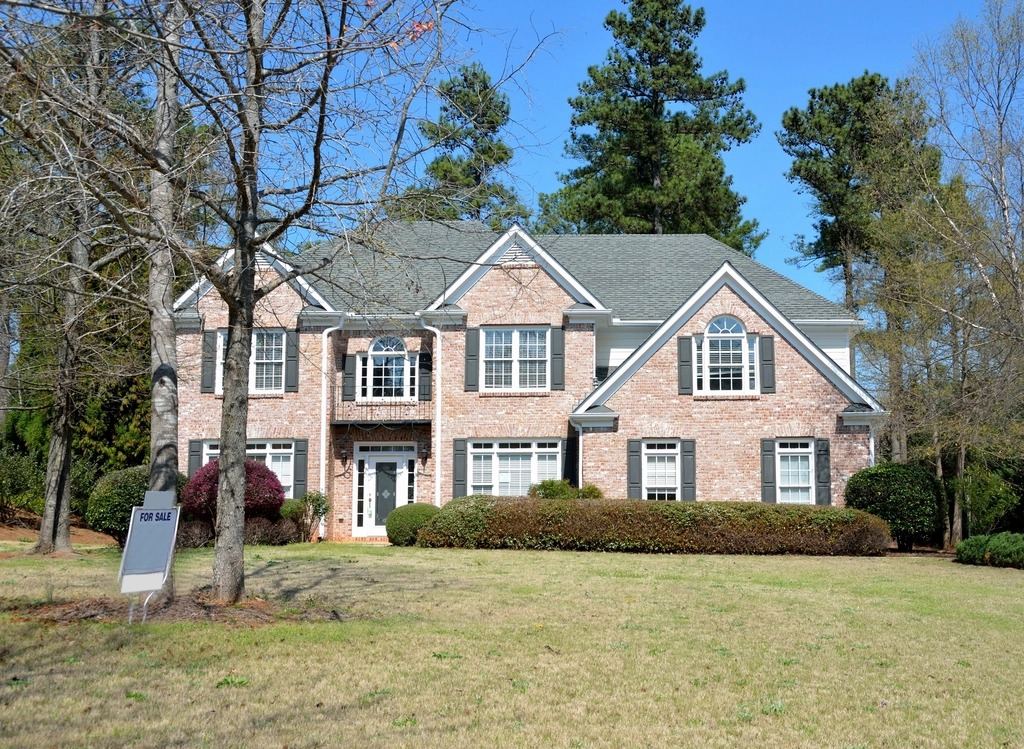
Front elevation from the street
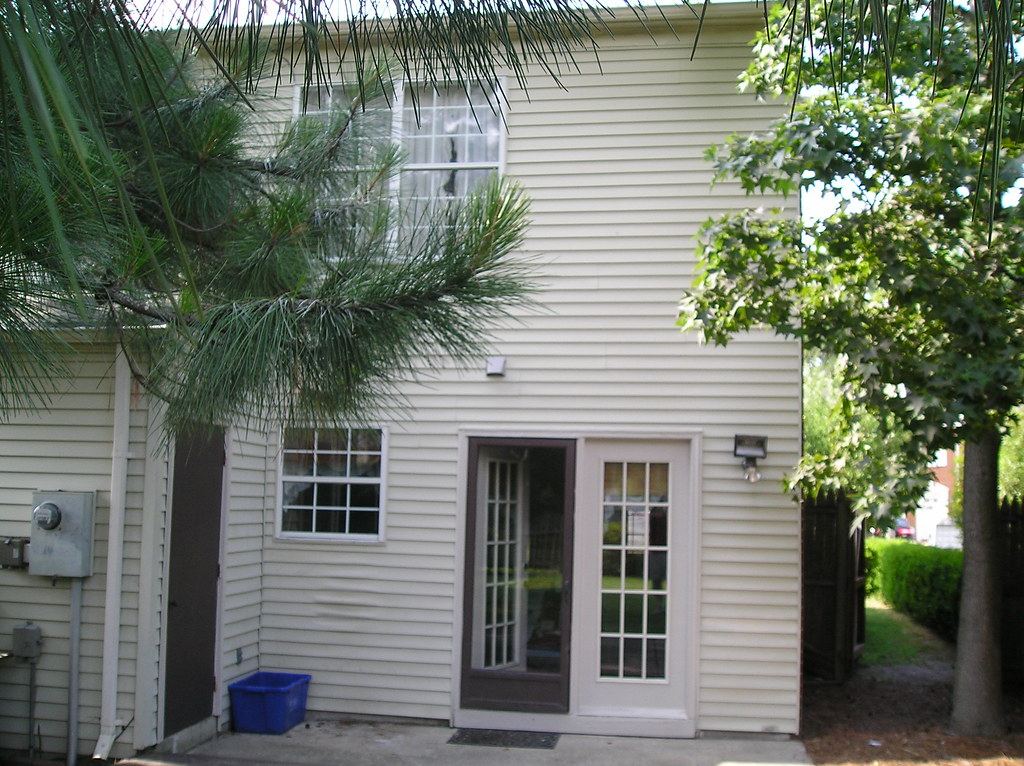
Rear elevation and yard
Executive Summary
This 1994 two-story colonial is structurally sound and has been maintained at a level typical for its age. The most significant budget items are the south-facing roof slope, which is at the end of its service life, and the 2005 air-conditioning condenser, which is operating beyond its expected years. A cluster of moisture-related items — exterior grading, a foundation crack with efflorescence, and a bathroom-related ceiling stain — share a common theme: water management. Addressing drainage and the hall-bath tub surround promptly should prevent these from developing into larger repairs. The remaining findings are routine safety corrections (GFCI protection, garage-door auto-reverse, dryer duct) that a handyman or the relevant trades can complete in a single visit. Overall, this home compares favorably with similar properties of its era.
12 Areas Inspected
20 Problems
13 Serviceable

🏡 Property Details

Year Built 1994
Square Footage 2,850 sq ft
Stories 2
Foundation Type Poured concrete basement
House Facing East
House Style Colonial
Recent Precipitation Rain within the past 48 hours
Weather Conditions Partly cloudy, 54°F
✓ Garage (Attached — 2 car) ✗ Pool

📝 Inspector Notes

Note: Every item in this report is rated one of two ways — Serviceable or Problem.

  • Problem items are itemized in detail.
  • Serviceable means the item does what it’s supposed to do, regardless of age (e.g., the bathroom faucet is old but works properly).
Prioritized Summary
Below you'll find the 20 most important issues from the 33 problems found during your home inspection, organized into three sections:
  • ✅ Big ticket items
  • ✅ Needs attention now
  • ✅ Needs attention later
Big Ticket Items
  1. 1
    Shingles at end of service life on south-facing slope
    The architectural asphalt shingles show granule loss, edge curling, and scattered cracked tabs concentrated on the south-facing slope. The roof covering appears original to the last replacement cycle (estimated 18–20 years old) and is approaching the end of its useful service life. Budget for replacement within the next 1–3 years; have a licensed roofing contractor evaluate.
    Roof & Gutters
  2. 2
    Air-conditioning condenser beyond typical service life
    The exterior condensing unit (manufactured 2005) started and cooled at the time of inspection, but at 21 years old it is well beyond the typical 12–15 year service life for central air equipment, and the refrigerant type (R-22) is no longer produced. Budget for replacement; repairs requiring refrigerant will be disproportionately expensive.
    Heating & Cooling
Needs Attention Now
  1. 1
    Grading slopes toward foundation at rear elevation
    Soil and mulch beds along the rear elevation slope toward the house, and the northeast downspout discharges at the base of the wall without an extension. Surface water directed at the foundation is the most common source of basement moisture. Regrade to fall away from the structure (approximately 6 inches over the first 10 feet) and add downspout extensions that discharge at least 4 feet from the foundation.
    Exterior & Grounds
  2. 2
    Chimney flashing lifted; sealant failing
    Counter-flashing at the chimney base is lifted on the uphill side and the sealant has weathered out. This is a common moisture-entry point and corresponds with staining observed on the chimney chase framing in the attic. Re-secure and reseal the flashing, or replace during roof covering replacement.
    Roof & Gutters
  3. 3
    Bathroom exhaust duct terminates in attic
    The hall bathroom exhaust fan duct ends in the attic space near the north gable rather than continuing to the exterior. Warm, moist air released into the attic condenses on the underside of the roof sheathing and can support mold growth. Extend the duct to an exterior termination with a dampered hood.
    Attic & Insulation
  4. 4
    Vertical crack with efflorescence, northeast foundation wall
    A hairline-to-1/8" vertical crack in the northeast poured foundation wall shows efflorescence (white mineral deposits), indicating periodic moisture movement through the crack. No measurable displacement was noted. Seal the crack (epoxy or polyurethane injection), correct exterior drainage at this corner (see Exterior), and monitor for change.
    Basement & Foundation
  5. 5
    Overhead door opener fails auto-reverse contact test
    The overhead door opener did not reverse when the door was obstructed at the floor (contact test). The photoelectric eyes responded correctly. An opener that fails the contact test is an entrapment hazard, particularly for children. Adjust the down-force setting or have the opener serviced, then retest.
    Garage
  6. 6
    Double-tapped breakers in main panel
    Two circuits in the main panel share single-pole breakers not rated for two conductors (double-tap). Loose connections at double-taps are a common overheating point. Have an electrician move the shared conductors to their own breakers or install breakers listed for two conductors.
    Electrical System
  7. 7
    Exterior receptacles lack GFCI protection
    The rear patio receptacle carries a "GFCI protected" label, but neither it nor the front porch receptacle tripped with a test device — no working ground-fault protection was found on the exterior circuits. Exterior outlets require GFCI protection because of shock risk in wet locations. An electrician can protect these with GFCI receptacles or a GFCI breaker.
    Electrical System
  8. 8
    TPR discharge pipe terminates too high above floor
    The temperature-pressure relief valve discharge pipe on the water heater ends approximately 18 inches above the floor. A discharge terminating more than 6 inches above the floor can scald a bystander if the valve releases. Extend the pipe to within 6 inches of the floor using approved material.
    Plumbing & Water Heater
  9. 9
    Active drip at bathroom sink trap
    The P-trap under the hall bathroom sink shows an active drip at the slip-joint connection, with mineral staining on the fittings. The trap washers should be re-seated or the trap assembly replaced, and the cabinet base checked for moisture damage once the leak is corrected.
    Plumbing & Water Heater
  10. 10
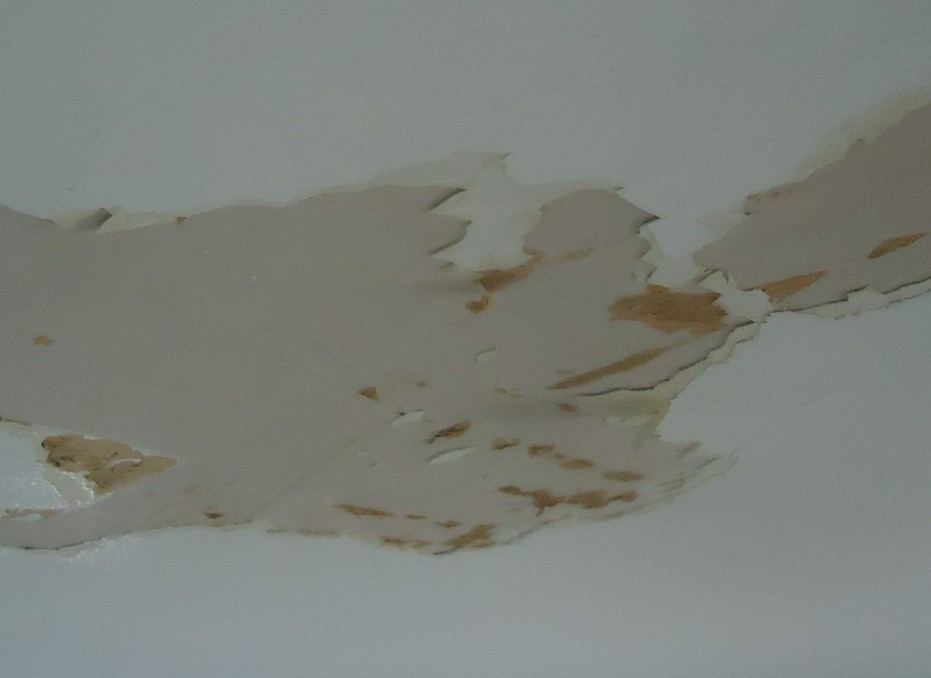
    Moisture damage on ceiling below hall bathroom
    Brown staining and peeling paint on the dining-room ceiling align with the hall bathroom tub drain above. Moisture-meter readings at the stain were slightly elevated. The tub overflow gasket and drain connections should be evaluated and repaired before the ceiling is refinished; observe after repairs to confirm the leak is resolved.
    Bathrooms
  11. 11
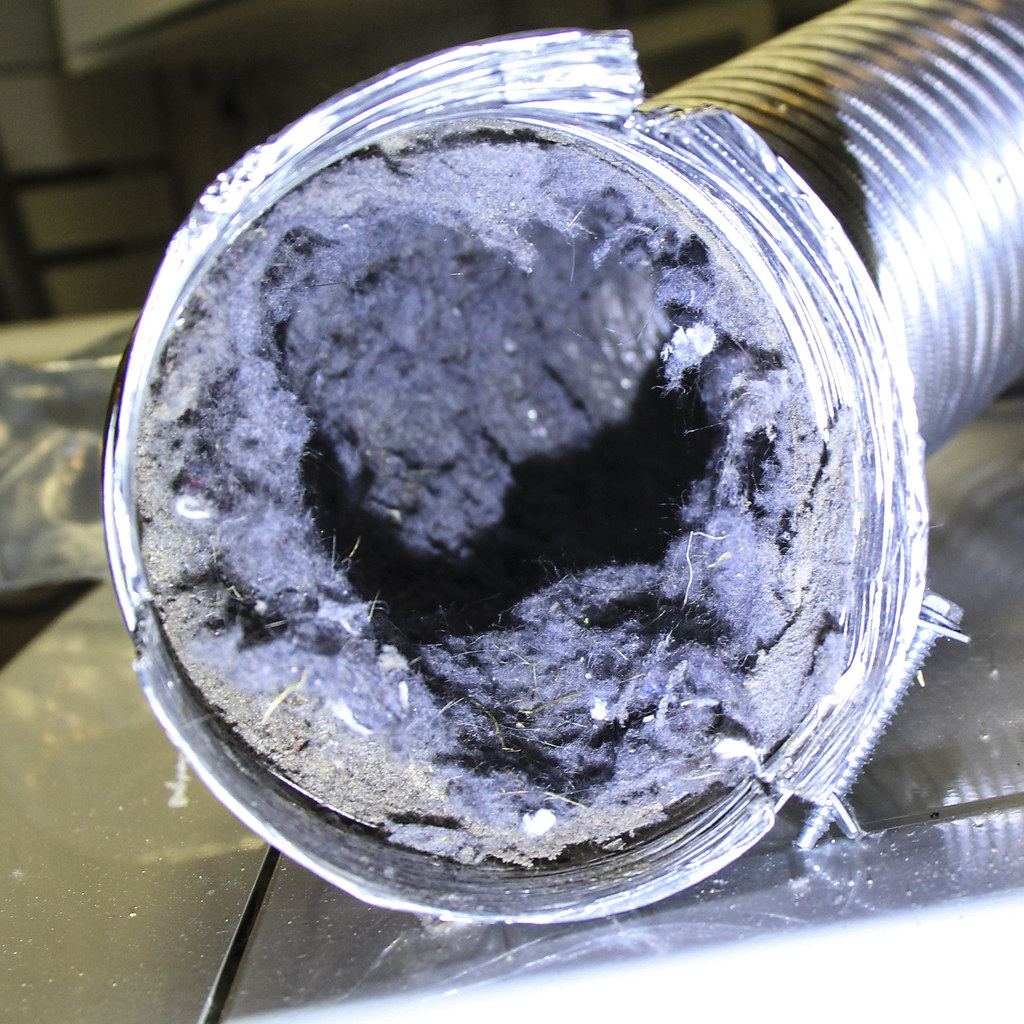
    Foil flex duct on dryer exhaust, heavy lint accumulation
    The dryer is vented with corrugated foil flex duct, and the duct interior is heavily lined with lint at the dryer connection. The ridged interior traps lint and the material is easily crushed — a recognized fire hazard and a restriction on dryer performance. Replace with smooth-wall rigid or semi-rigid metal duct and clean the full exhaust run.
    Laundry
Needs Attention Later
  1. 1
    Hose bibb lacks backflow protection
    The exterior hose bibb on the south wall has no anti-siphon (vacuum breaker) device. Without backflow protection, a drop in supply pressure can draw contaminated water from an attached hose back into the potable system. Screw-on vacuum breakers are an inexpensive correction; recommend installing one at each exterior faucet.
    Exterior & Grounds
  2. 2
    Moisture staining at base of west wall
    Staining and mineral deposits at the base of the west wall indicate past seepage. Surfaces were dry at the time of inspection despite rain within the previous 48 hours. Improving gutter discharge and grading on this side should be the first corrective step before considering interior drainage measures.
    Basement & Foundation
  3. 3
    Kinked flexible duct restricting airflow
    The flexible supply duct serving the rear bedroom is sharply kinked and beginning to pull apart at the register boot in the attic, reducing airflow to the room. Re-secure the connection and re-support the duct to restore a full interior diameter, or replace the run with rigid duct.
    Heating & Cooling
  4. 4
    Range anti-tip bracket not installed
    The freestanding range is not secured with an anti-tip bracket. A range can tip forward when weight is applied to an open oven door — a recognized hazard for children. Brackets are inexpensive and typically supplied with the appliance; install per the manufacturer's instructions.
    Kitchen
  5. 5
    Slow drain at kitchen sink
    The kitchen sink drained noticeably slower than typical, suggesting a partial obstruction in the trap arm or branch line. Clear the line and retest; persistent slow drainage may indicate a bellied or grease-restricted branch.
    Kitchen
  6. 6
    Failed caulk at tub surround
    Caulk joints at the hall bathroom tub surround are cracked and separating, and grout is missing at several tile joints. Open joints admit water behind the surround and are the likely contributor to the ceiling stain below. Rake out and recaulk the joints; regrout open tile lines.
    Bathrooms
  7. 7
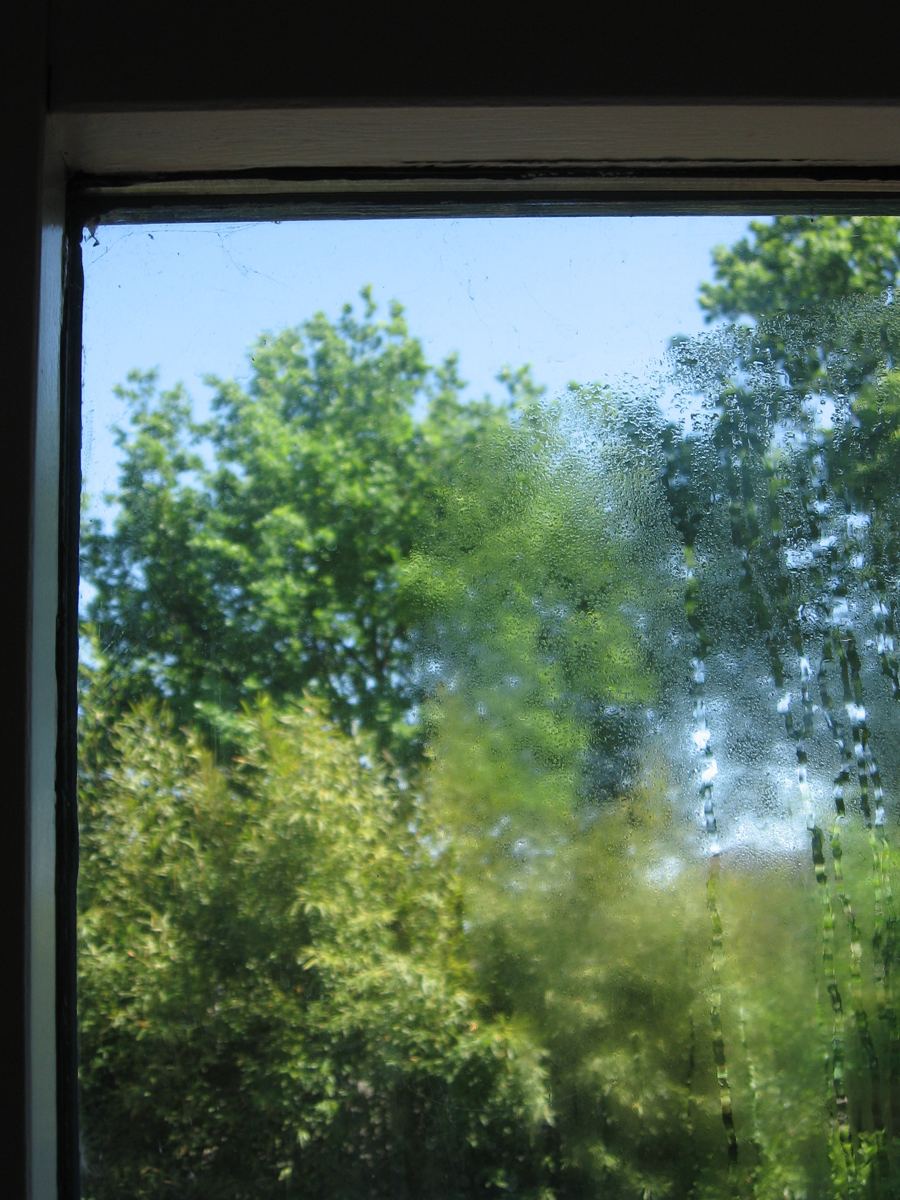
    Failed thermal seals at two windows
    Two double-pane units — the living-room picture window and the north bedroom window — show fogging between the panes, indicating failed insulated-glass seals. This is a comfort and cosmetic issue rather than structural; the sashes or glass units can be replaced individually.
    Interior Rooms
🏡 Exterior & Grounds 3 findings · 2 problems · 1 serviceable
PROBLEM Grading slopes toward foundation at rear elevation
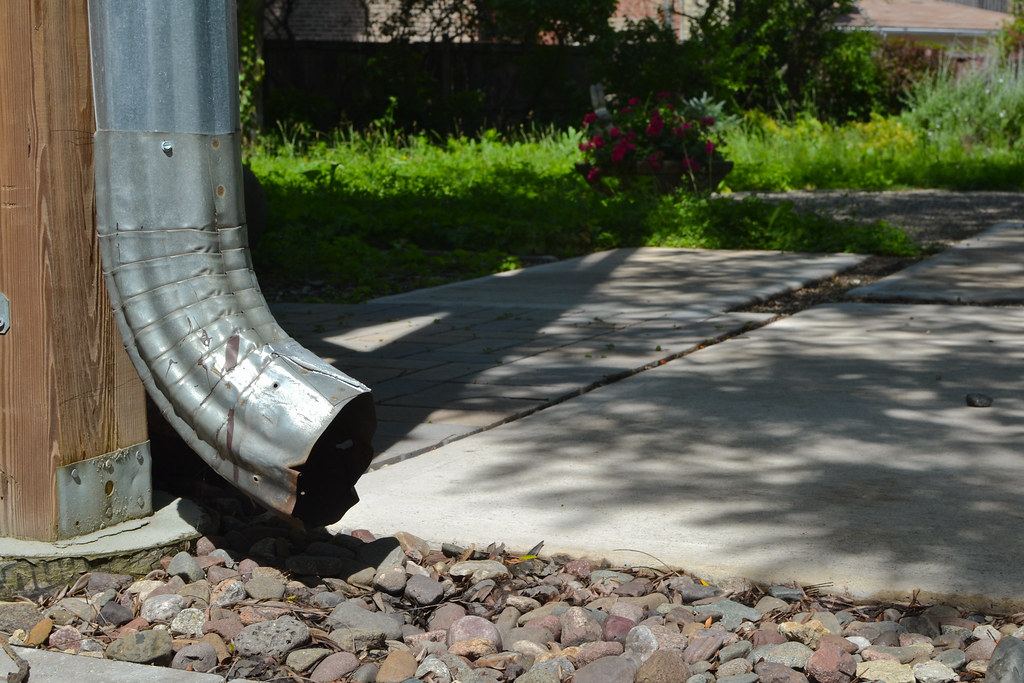
Soil and mulch beds along the rear elevation slope toward the house, and the northeast downspout discharges at the base of the wall without an extension. Surface water directed at the foundation is the most common source of basement moisture. Regrade to fall away from the structure (approximately 6 inches over the first 10 feet) and add downspout extensions that discharge at least 4 feet from the foundation.
Category: Structural Code Ref: IRC R401.3
Downspout discharging at rear foundation
PROBLEM Hose bibb lacks backflow protection
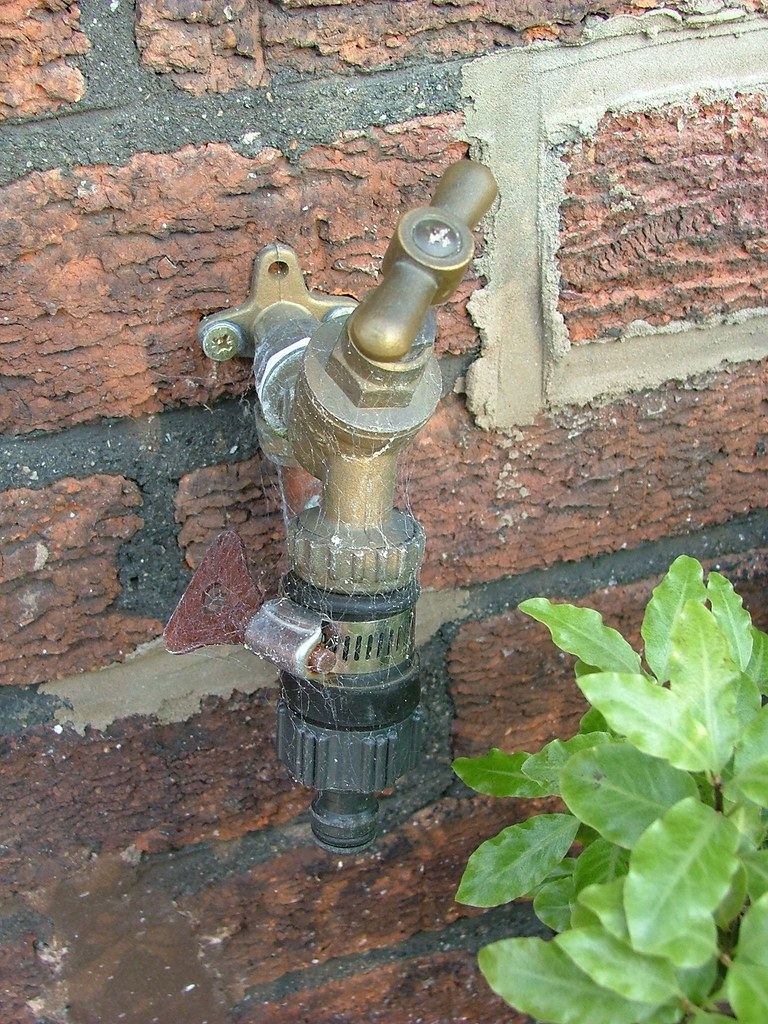
The exterior hose bibb on the south wall has no anti-siphon (vacuum breaker) device. Without backflow protection, a drop in supply pressure can draw contaminated water from an attached hose back into the potable system. Screw-on vacuum breakers are an inexpensive correction; recommend installing one at each exterior faucet.
Category: Plumbing Code Ref: IPC 608.16.5
South wall hose bibb
SERVICEABLE Cladding, trim, and walkways serviceable
Brick veneer at the front elevation, vinyl siding at the sides and rear, and concrete walkways are in serviceable condition for their age. Minor caulk gaps were noted at utility penetrations on the north wall; seal as part of routine maintenance.
Area Photos
South side yard and siding
🏠 Roof & Gutters 3 findings · 2 problems · 1 serviceable
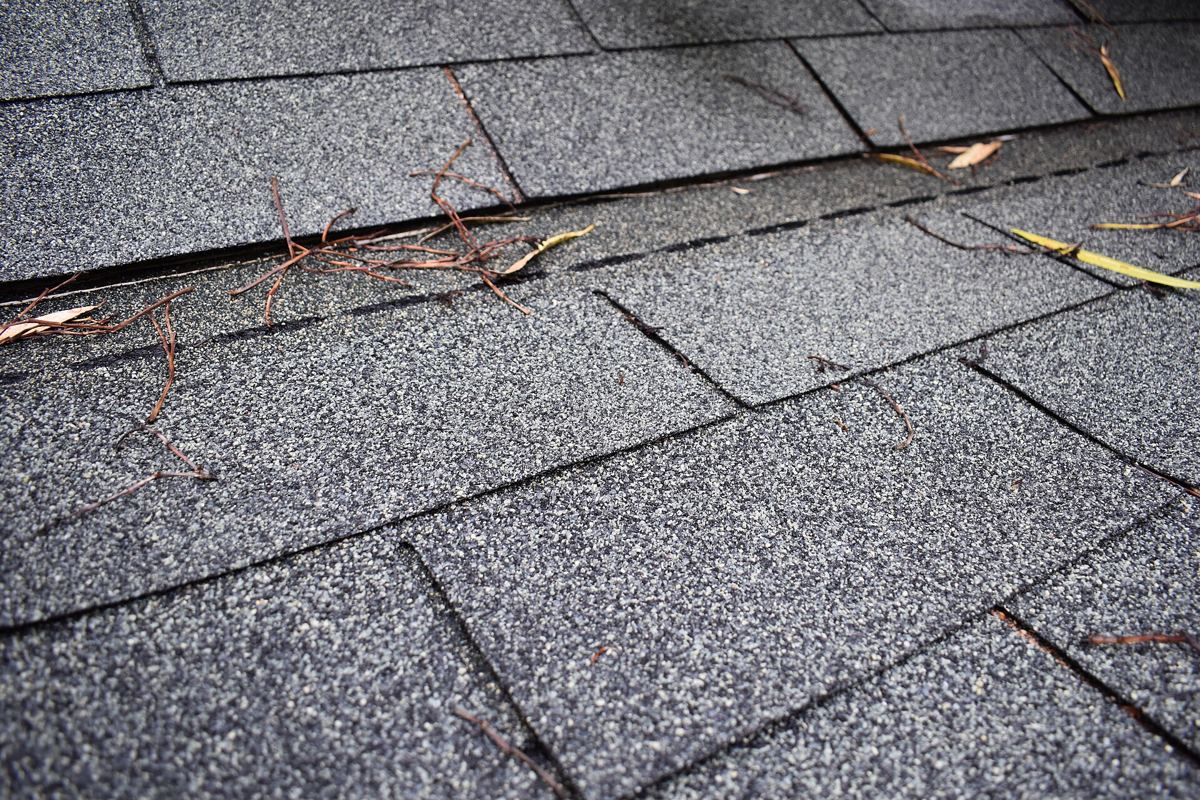
PROBLEM Shingles at end of service life on south-facing slope
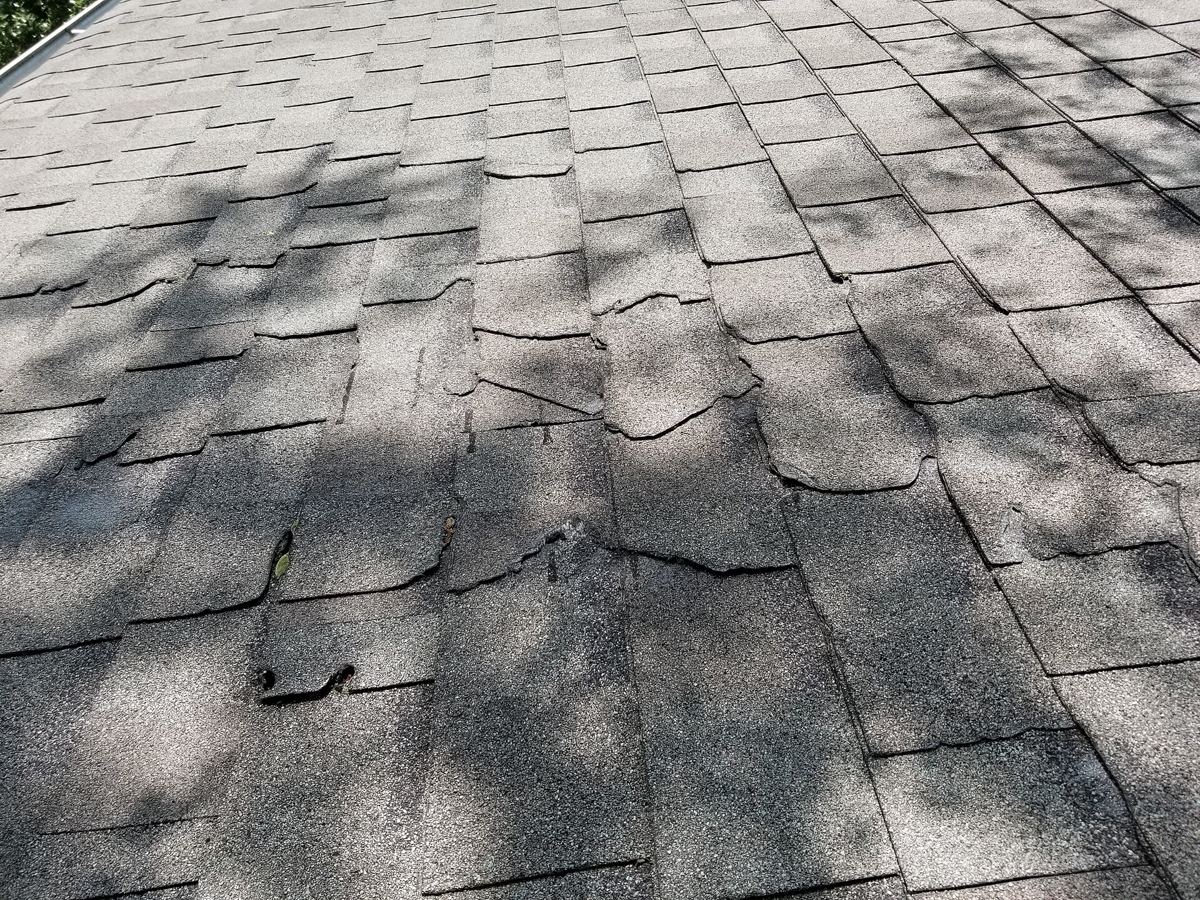
The architectural asphalt shingles show granule loss, edge curling, and scattered cracked tabs concentrated on the south-facing slope. The roof covering appears original to the last replacement cycle (estimated 18–20 years old) and is approaching the end of its useful service life. Budget for replacement within the next 1–3 years; have a licensed roofing contractor evaluate.
Category: Structural Code Ref: IRC R905.2
Granule loss and curling, south slope
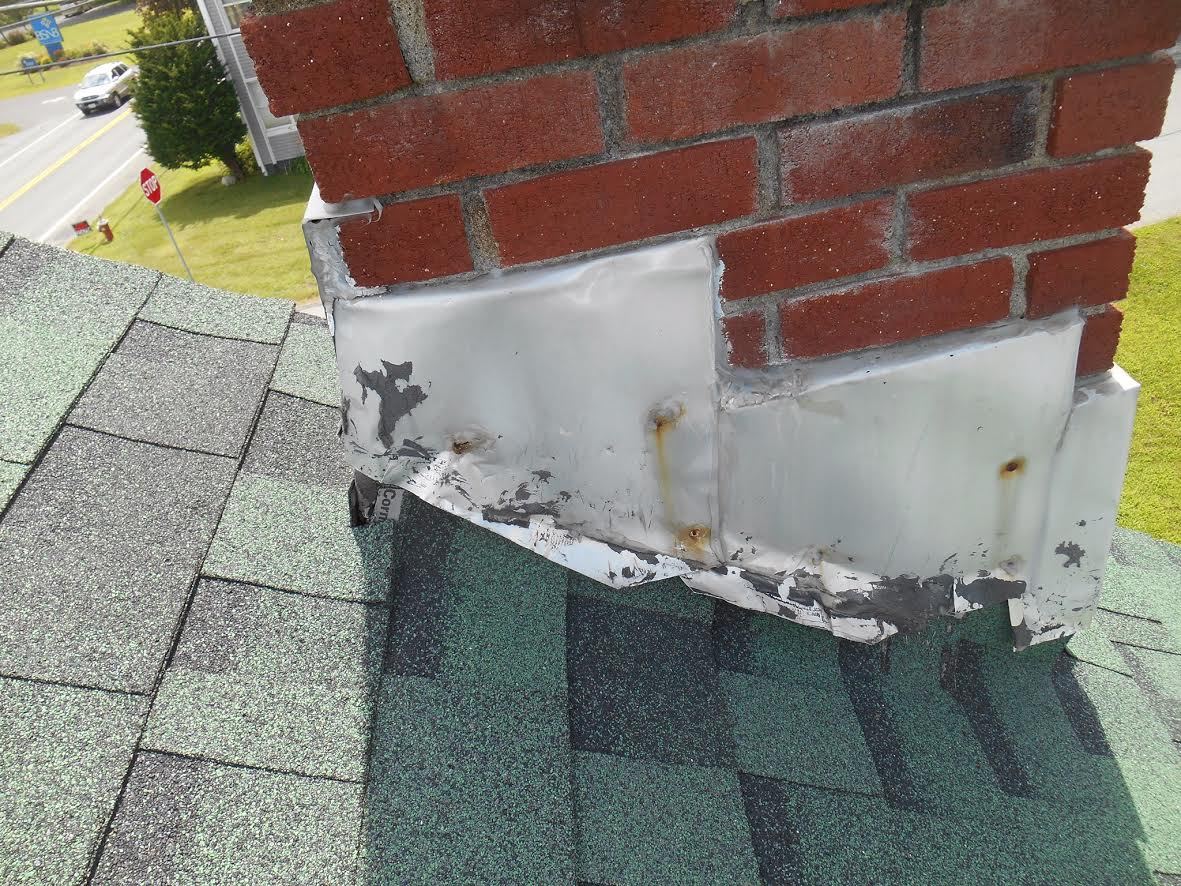
PROBLEM Chimney flashing lifted; sealant failing
Counter-flashing at the chimney base is lifted on the uphill side and the sealant has weathered out. This is a common moisture-entry point and corresponds with staining observed on the chimney chase framing in the attic. Re-secure and reseal the flashing, or replace during roof covering replacement.
Code Ref: IRC R1003 — Masonry chimneys
Chimney base flashing, uphill side
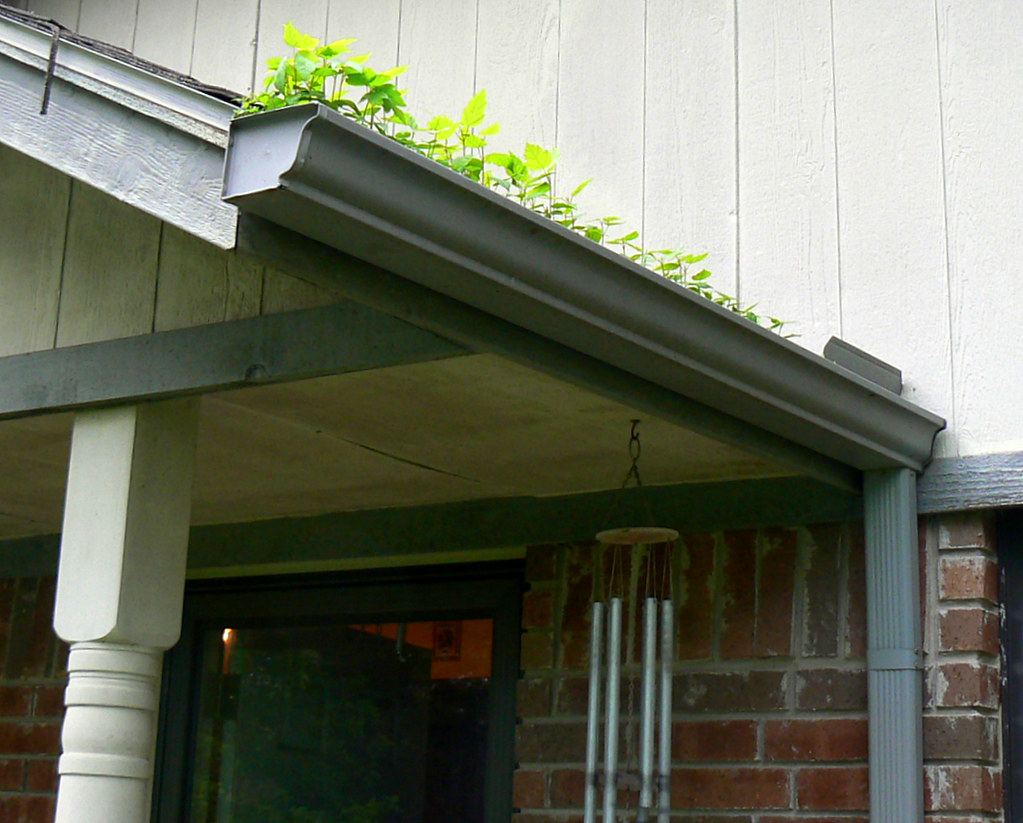
SERVICEABLE Gutter debris accumulation at rear
Gutters and downspouts are functional, but the rear runs hold enough organic debris that seedlings are sprouting from the gutter above the porch. Clean seasonally so runoff is carried to the downspouts rather than overflowing at the eaves.
Seedlings sprouting from rear gutter
Area Photos
Main roof plane, viewed from ladder at eave
📐 Attic & Insulation 2 findings · 1 problem · 1 serviceable
Area Details: Inspected from hatch and accessible walkways; deep insulation limits access at eaves.
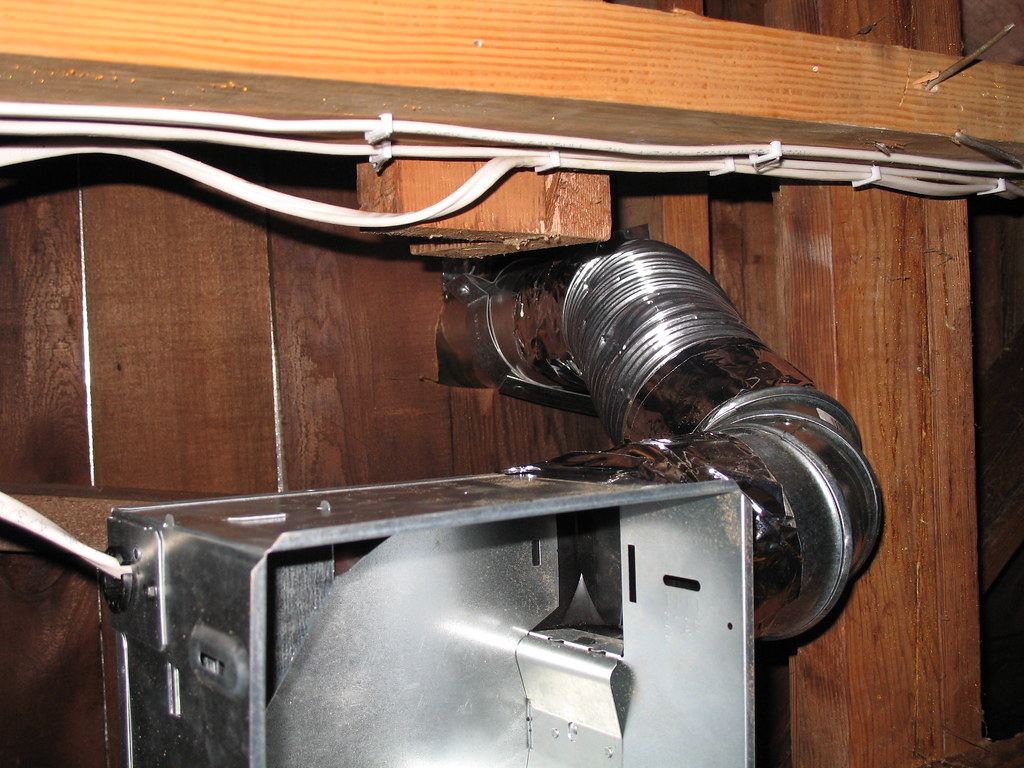
PROBLEM Bathroom exhaust duct terminates in attic
The hall bathroom exhaust fan duct ends in the attic space near the north gable rather than continuing to the exterior. Warm, moist air released into the attic condenses on the underside of the roof sheathing and can support mold growth. Extend the duct to an exterior termination with a dampered hood.
Code Ref: IRC R303.3 — Bathroom ventilation
Hall bath exhaust fan duct in attic
SERVICEABLE Insulation level and ventilation serviceable
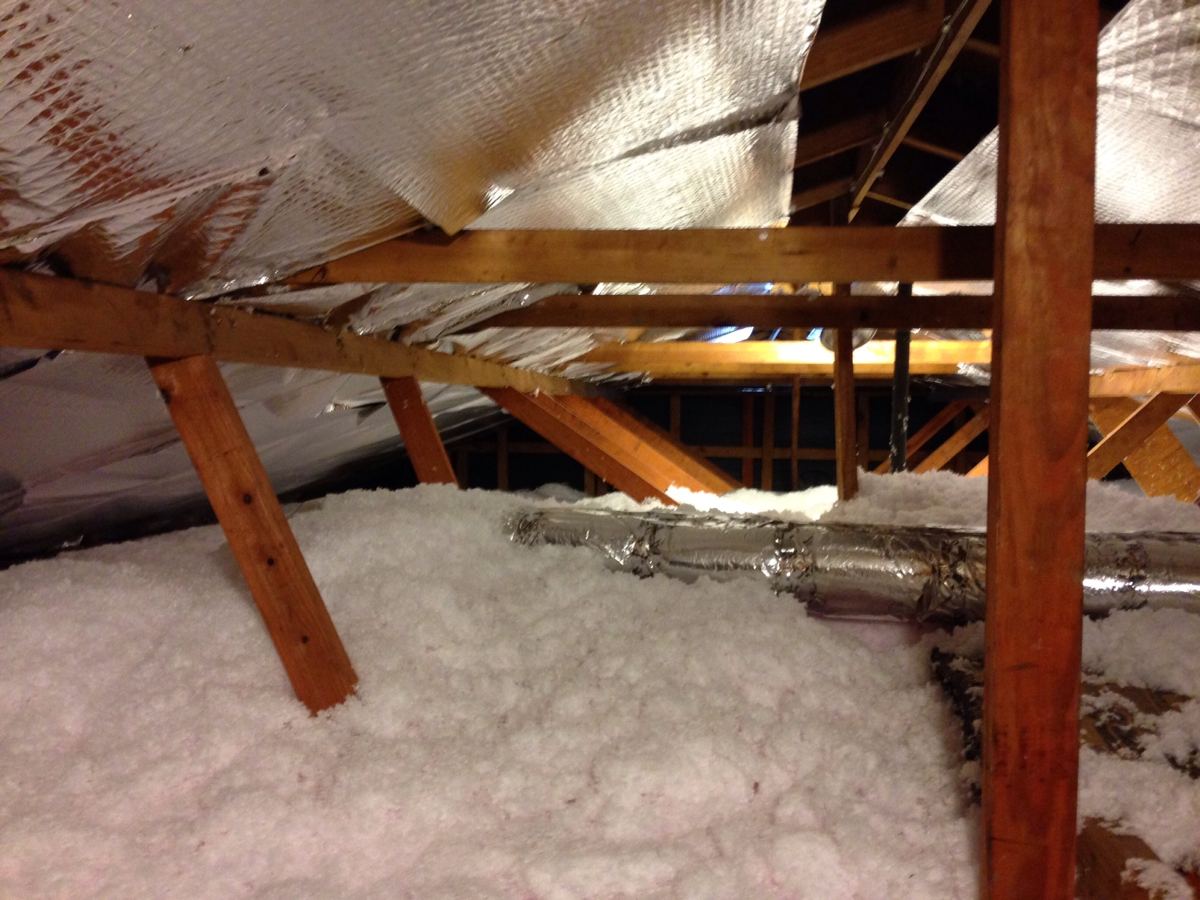
Blown-in insulation averages 12–13 inches (approximately R-38) with even coverage. Soffit and ridge ventilation are open and the sheathing shows no widespread staining.
Area Photos
Attic framing and insulation from access hatch
🏗️ Basement & Foundation 3 findings · 2 problems · 1 serviceable
PROBLEM Vertical crack with efflorescence, northeast foundation wall
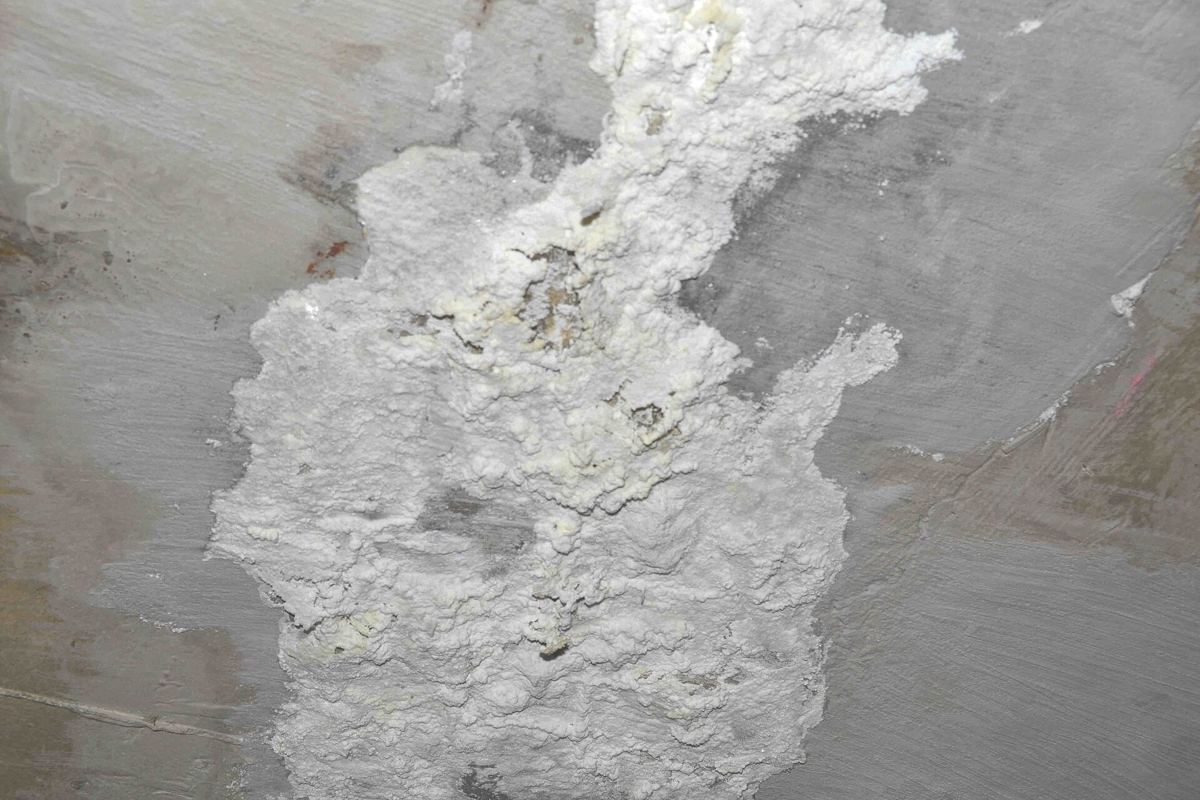
A hairline-to-1/8" vertical crack in the northeast poured foundation wall shows efflorescence (white mineral deposits), indicating periodic moisture movement through the crack. No measurable displacement was noted. Seal the crack (epoxy or polyurethane injection), correct exterior drainage at this corner (see Exterior), and monitor for change.
Category: Structural Code Ref: IRC R404.1
Vertical crack, northeast wall
PROBLEM Moisture staining at base of west wall
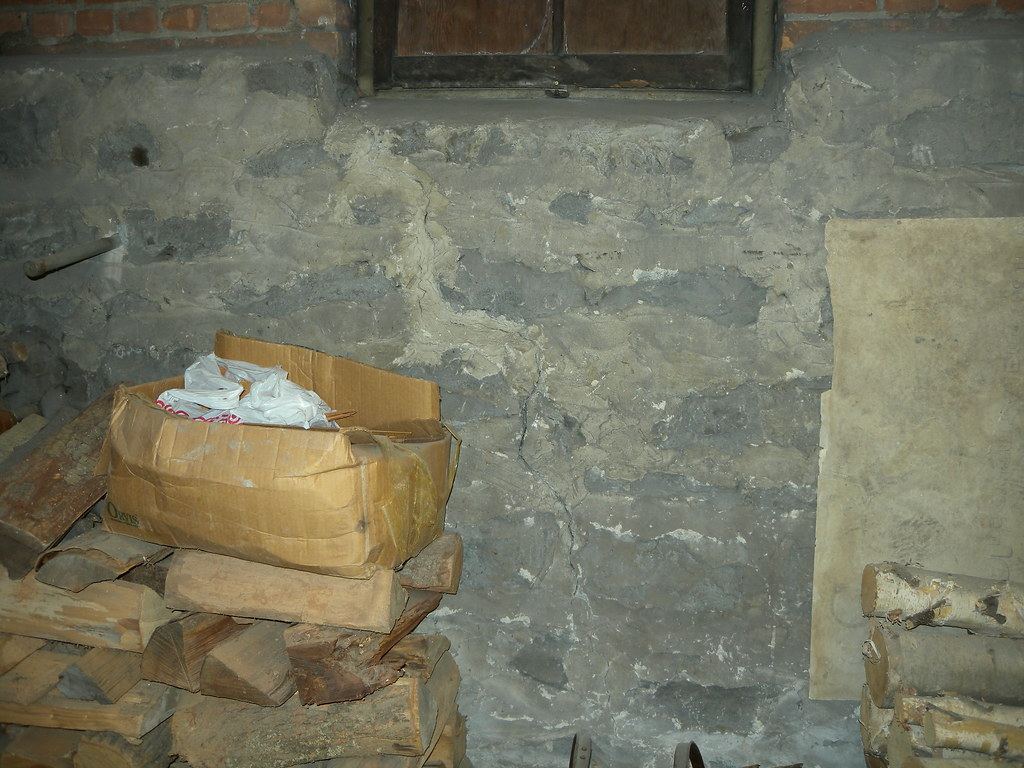
Staining and mineral deposits at the base of the west wall indicate past seepage. Surfaces were dry at the time of inspection despite rain within the previous 48 hours. Improving gutter discharge and grading on this side should be the first corrective step before considering interior drainage measures.
Category: Plumbing
Mineral staining at base of west wall
SERVICEABLE Floor framing and support posts serviceable
Floor joists, the built-up main beam, and steel support posts are in serviceable condition. No significant notching, sagging, or moisture damage was observed.
Category: Structural
Area Photos
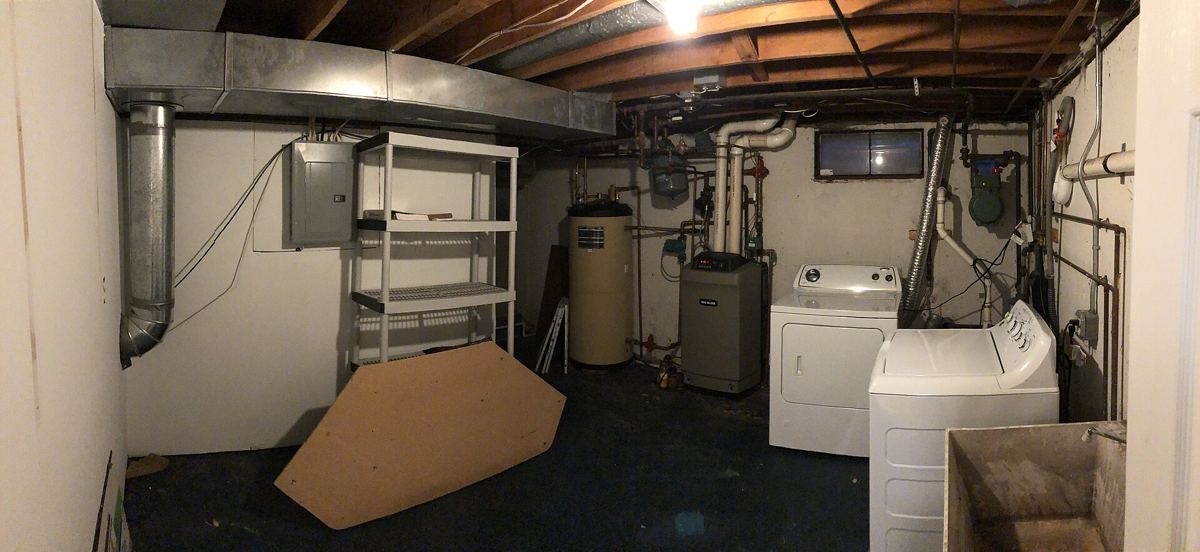
Unfinished basement, mechanical side
🚗 Garage 2 findings · 1 problem · 1 serviceable
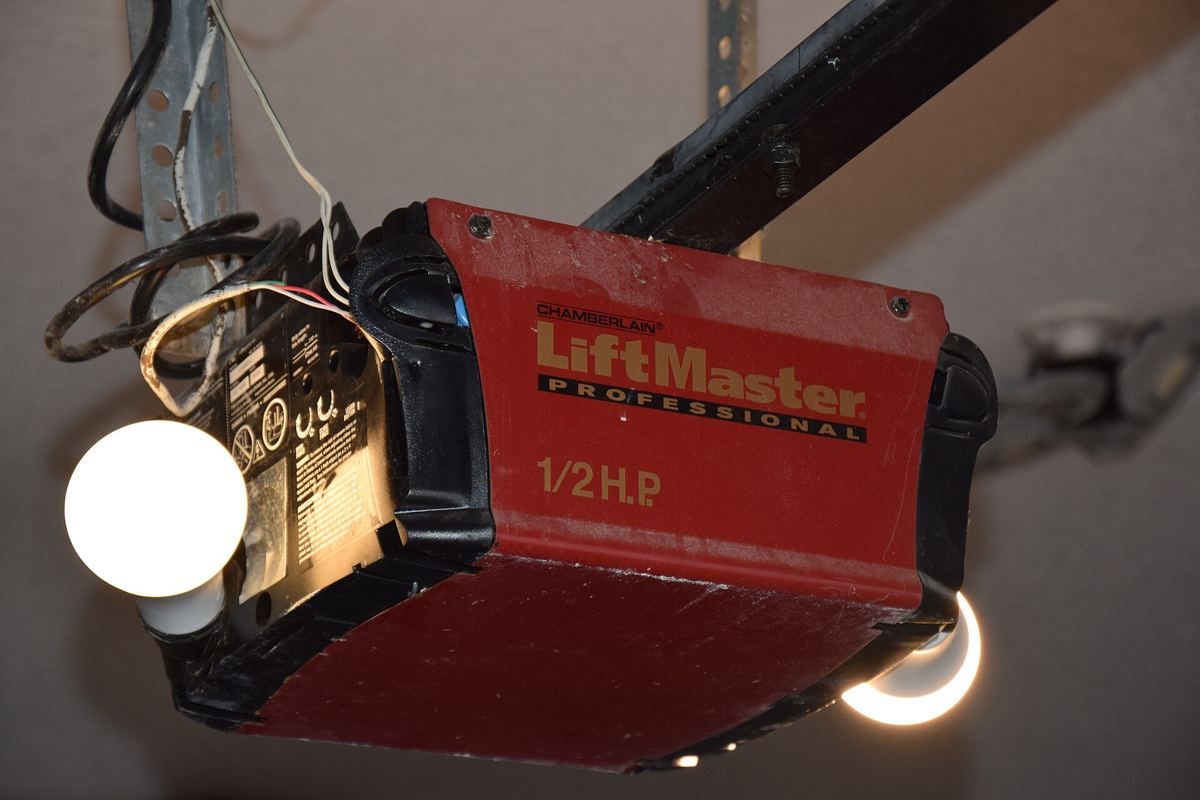
PROBLEM Overhead door opener fails auto-reverse contact test
The overhead door opener did not reverse when the door was obstructed at the floor (contact test). The photoelectric eyes responded correctly. An opener that fails the contact test is an entrapment hazard, particularly for children. Adjust the down-force setting or have the opener serviced, then retest.
Category: Plumbing Code Ref: UL 325
Overhead door and opener
SERVICEABLE Fire separation door intact
The door between the garage and living space is solid-core, self-closing, and latches properly, maintaining the required fire separation.
Category: Fire Hazard
Area Photos
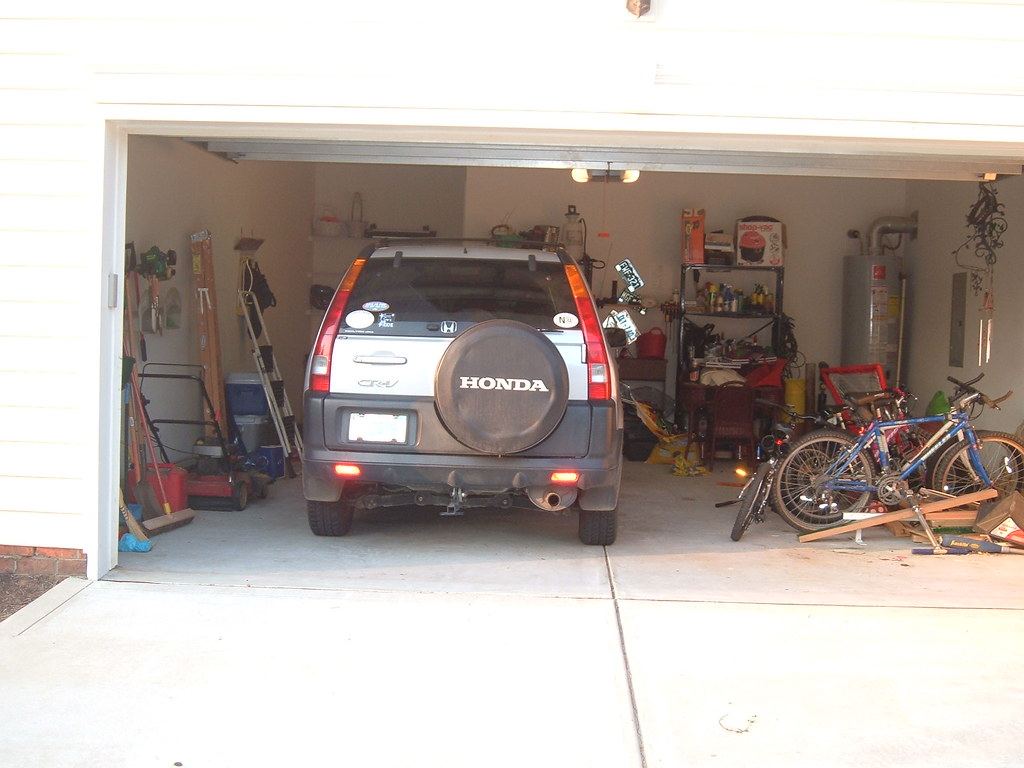
Attached two-car garage interior
Electrical System 3 findings · 2 problems · 1 serviceable
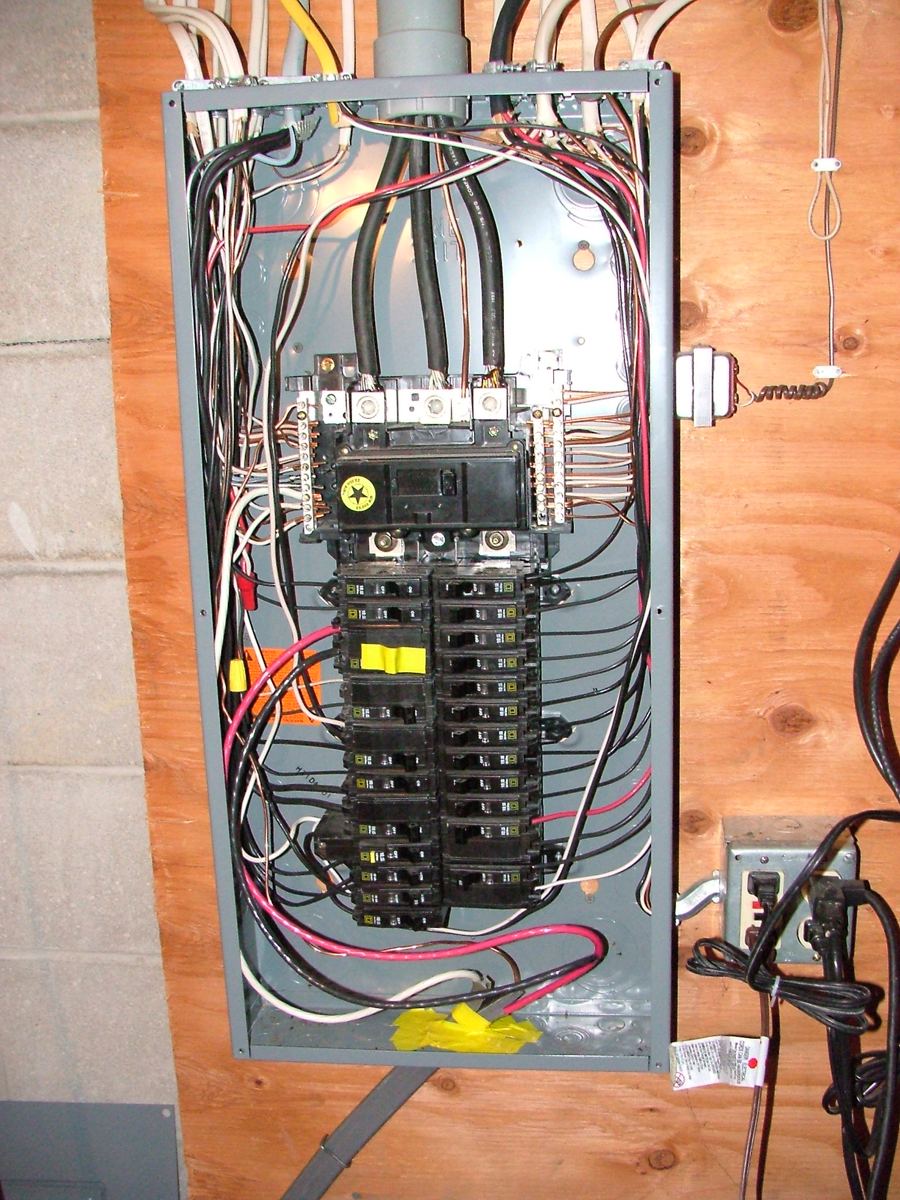
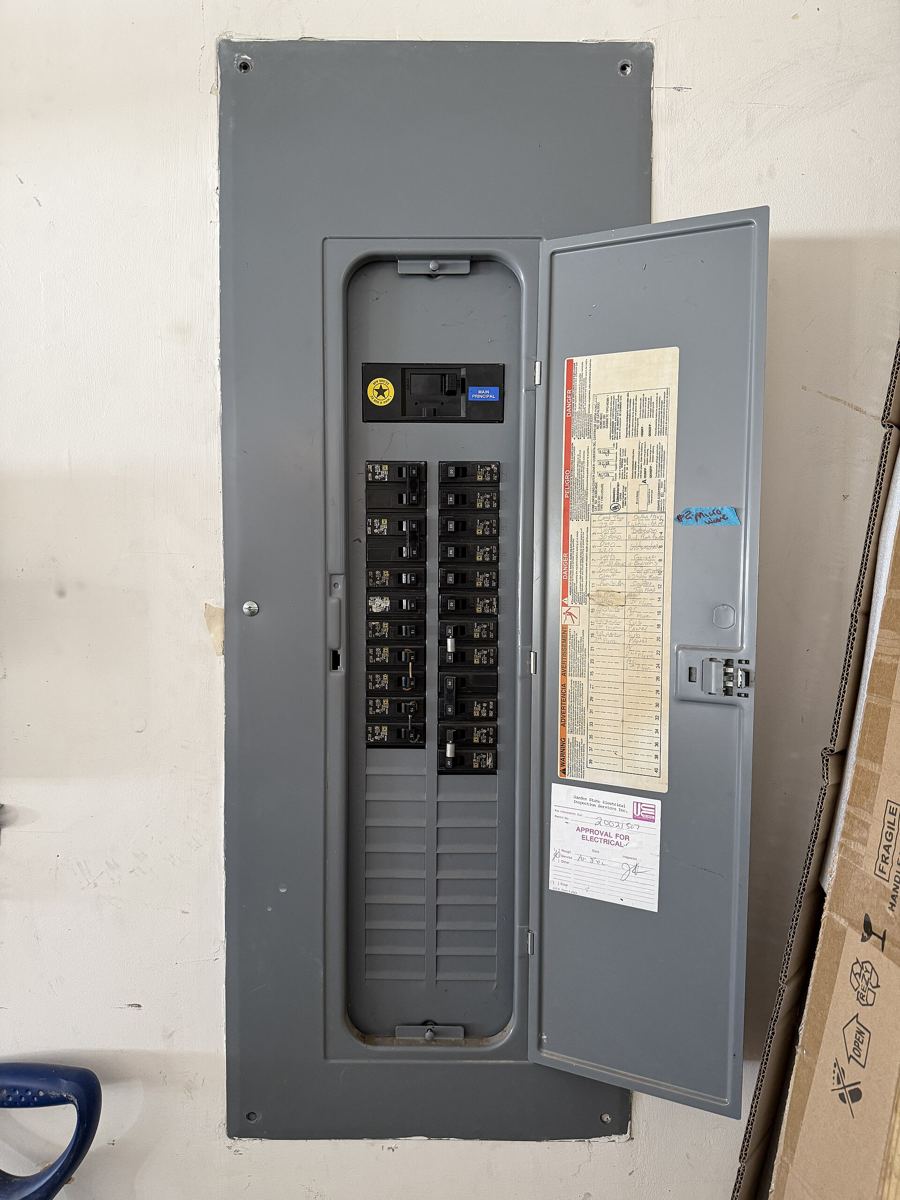
PROBLEM Double-tapped breakers in main panel
Two circuits in the main panel share single-pole breakers not rated for two conductors (double-tap). Loose connections at double-taps are a common overheating point. Have an electrician move the shared conductors to their own breakers or install breakers listed for two conductors.
Category: Electrical Code Ref: NEC 110.14
Panel interior — shared breaker terminations
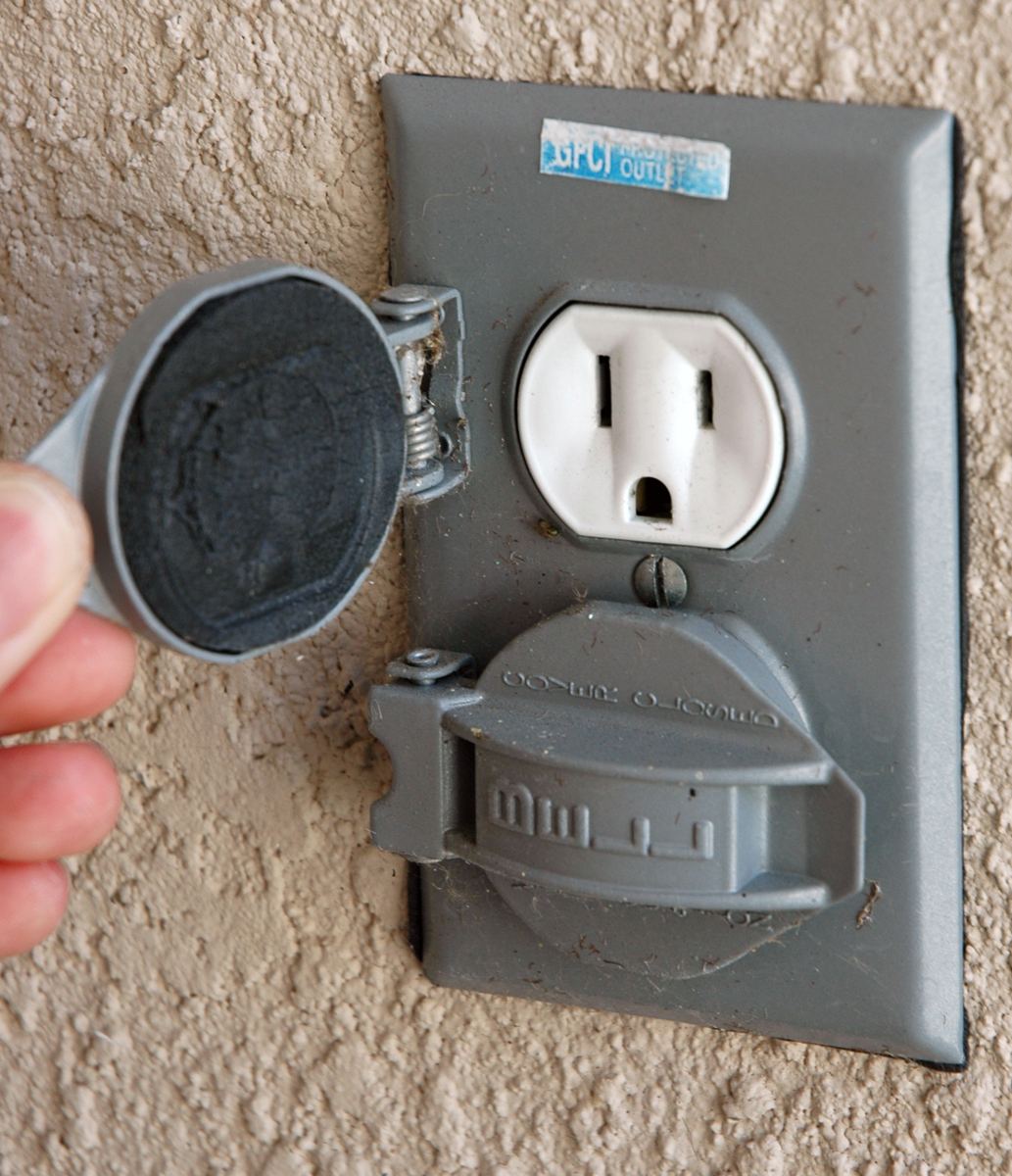
PROBLEM Exterior receptacles lack GFCI protection
The rear patio receptacle carries a "GFCI protected" label, but neither it nor the front porch receptacle tripped with a test device — no working ground-fault protection was found on the exterior circuits. Exterior outlets require GFCI protection because of shock risk in wet locations. An electrician can protect these with GFCI receptacles or a GFCI breaker.
Category: Electrical Code Ref: NEC 210.8 / IRC E3404 — GFCI protection
Rear patio receptacle
SERVICEABLE Service equipment serviceable
200-amp service with copper branch wiring at the panel. Grounding and bonding connections are present and secure. Breakers are labeled and no scorching or aluminum branch wiring was observed.
Category: Electrical
Area Photos
200-amp main panel, basement
🔧 Plumbing & Water Heater 3 findings · 2 problems · 1 serviceable
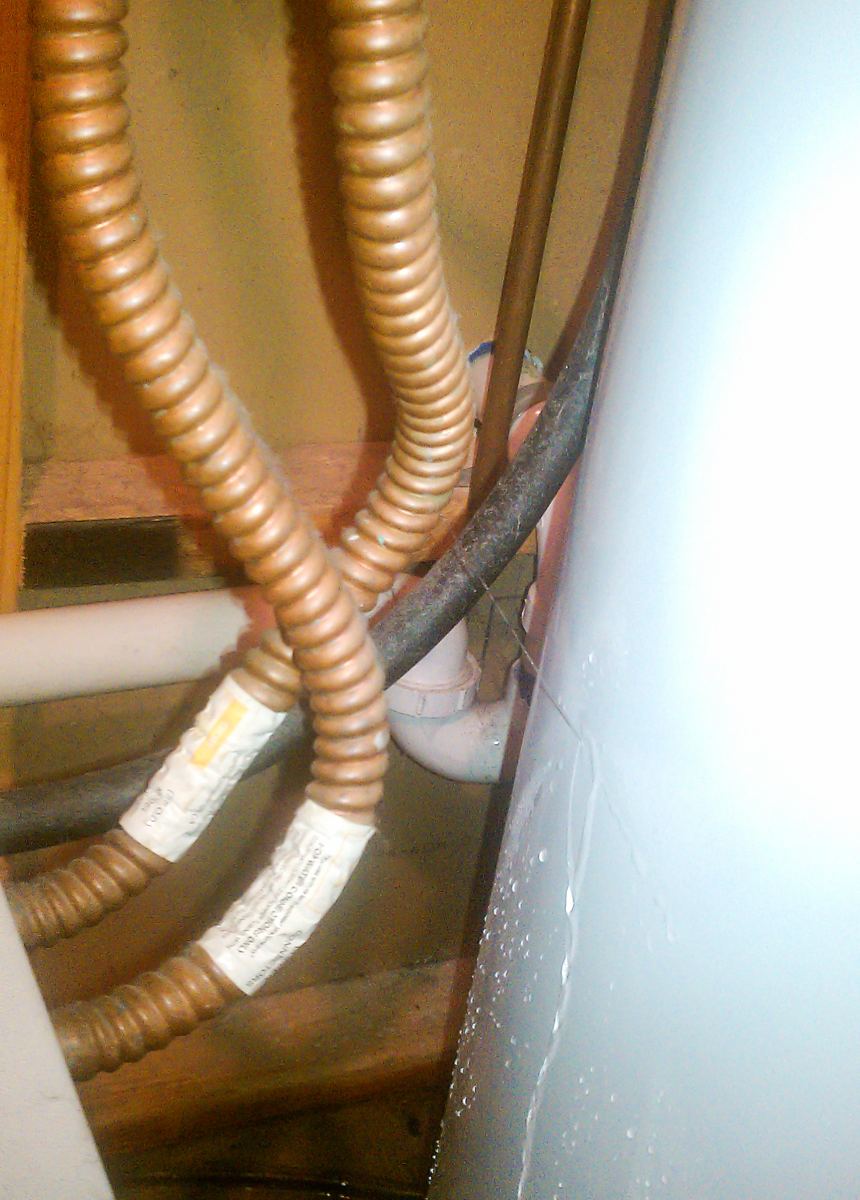
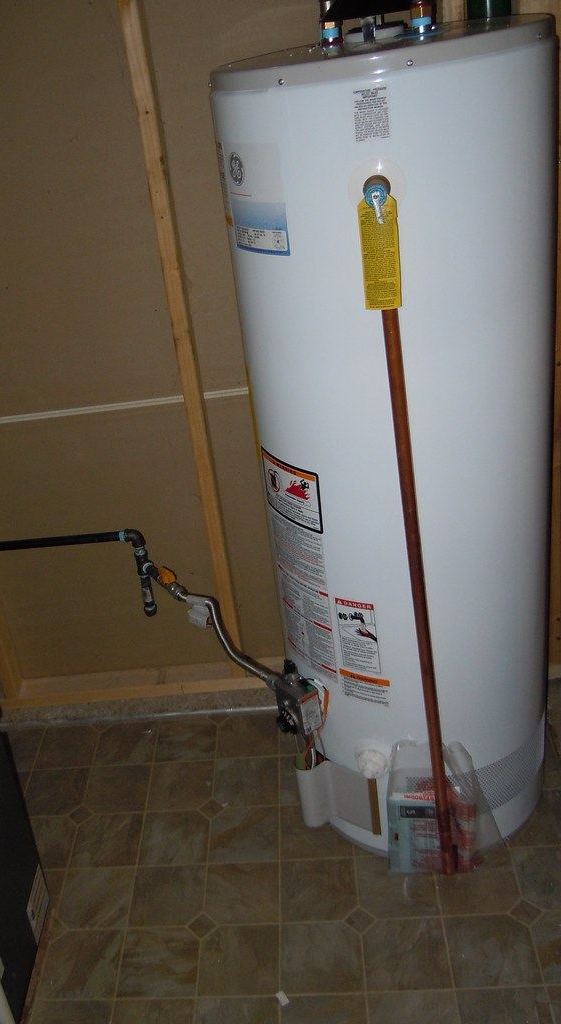
PROBLEM TPR discharge pipe terminates too high above floor
The temperature-pressure relief valve discharge pipe on the water heater ends approximately 18 inches above the floor. A discharge terminating more than 6 inches above the floor can scald a bystander if the valve releases. Extend the pipe to within 6 inches of the floor using approved material.
Category: Plumbing Code Ref: IPC P2705 — Installation of fixtures
TPR valve and discharge piping
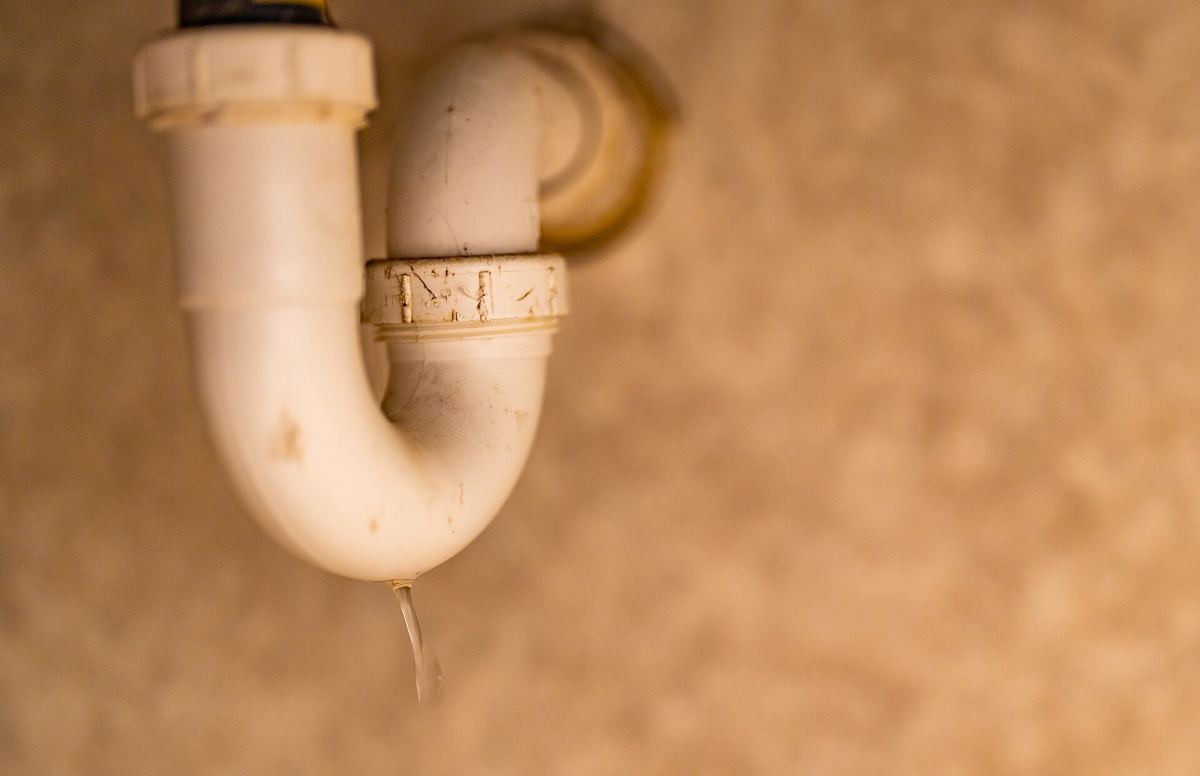
PROBLEM Active drip at bathroom sink trap
The P-trap under the hall bathroom sink shows an active drip at the slip-joint connection, with mineral staining on the fittings. The trap washers should be re-seated or the trap assembly replaced, and the cabinet base checked for moisture damage once the leak is corrected.
Category: Plumbing
Drip at trap slip joint, hall bathroom
SERVICEABLE Supply, drainage, and water heater operation serviceable
Copper and PEX supply piping with PVC drains throughout. Functional flow and drainage were observed at all fixtures operated. The 50-gallon gas water heater (2019) heated properly; typical service life is 10–14 years.
Category: Plumbing
Area Photos
50-gallon gas water heater
❄️ Heating & Cooling 3 findings · 2 problems · 1 serviceable
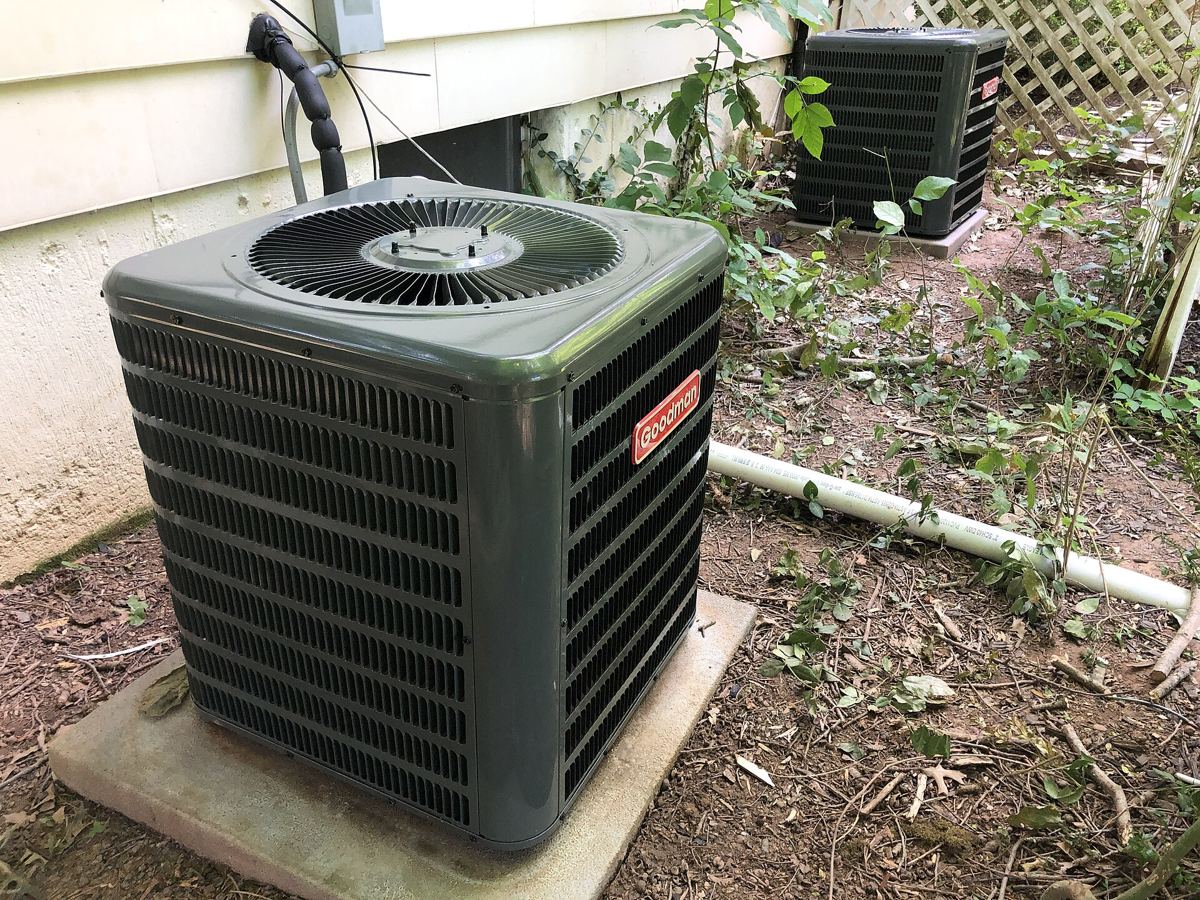
PROBLEM Air-conditioning condenser beyond typical service life
The exterior condensing unit (manufactured 2005) started and cooled at the time of inspection, but at 21 years old it is well beyond the typical 12–15 year service life for central air equipment, and the refrigerant type (R-22) is no longer produced. Budget for replacement; repairs requiring refrigerant will be disproportionately expensive.
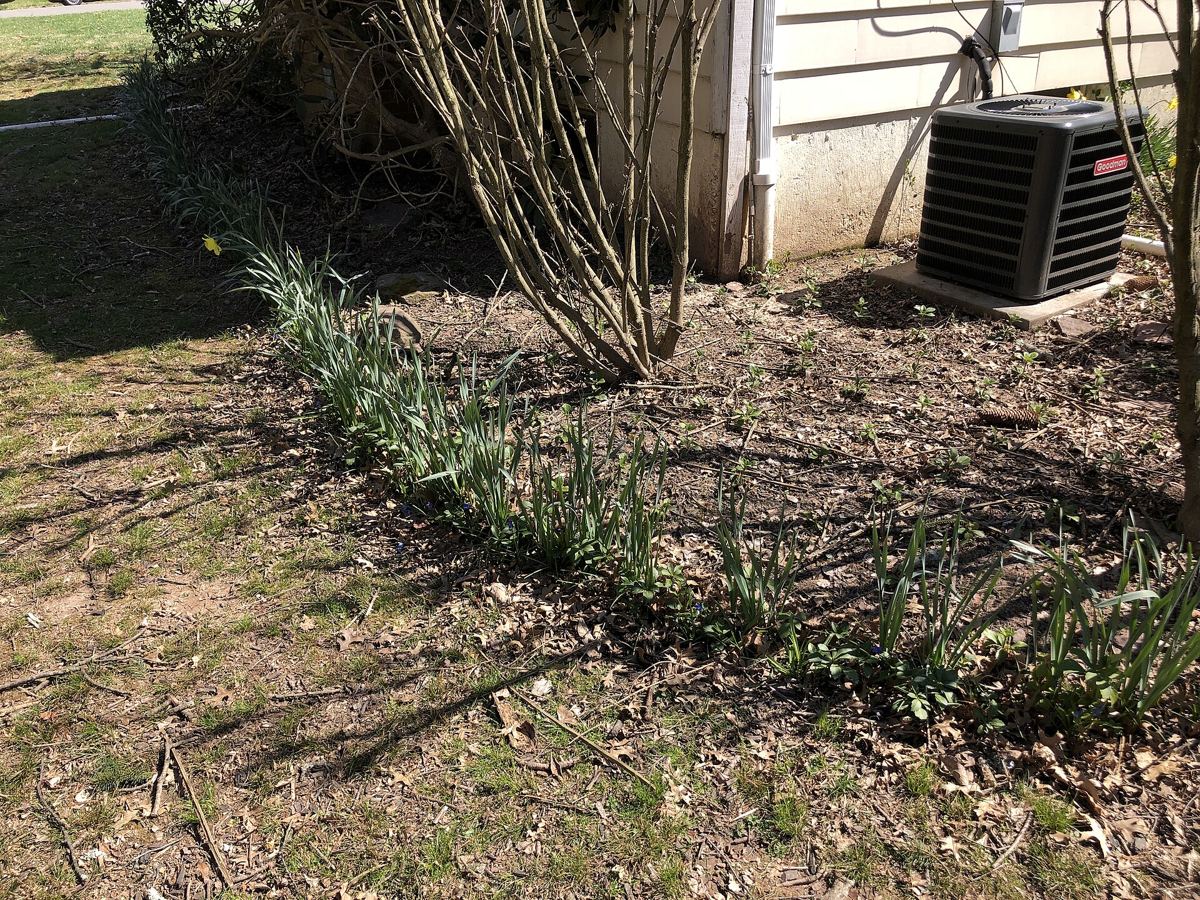
Condensing unit, north side
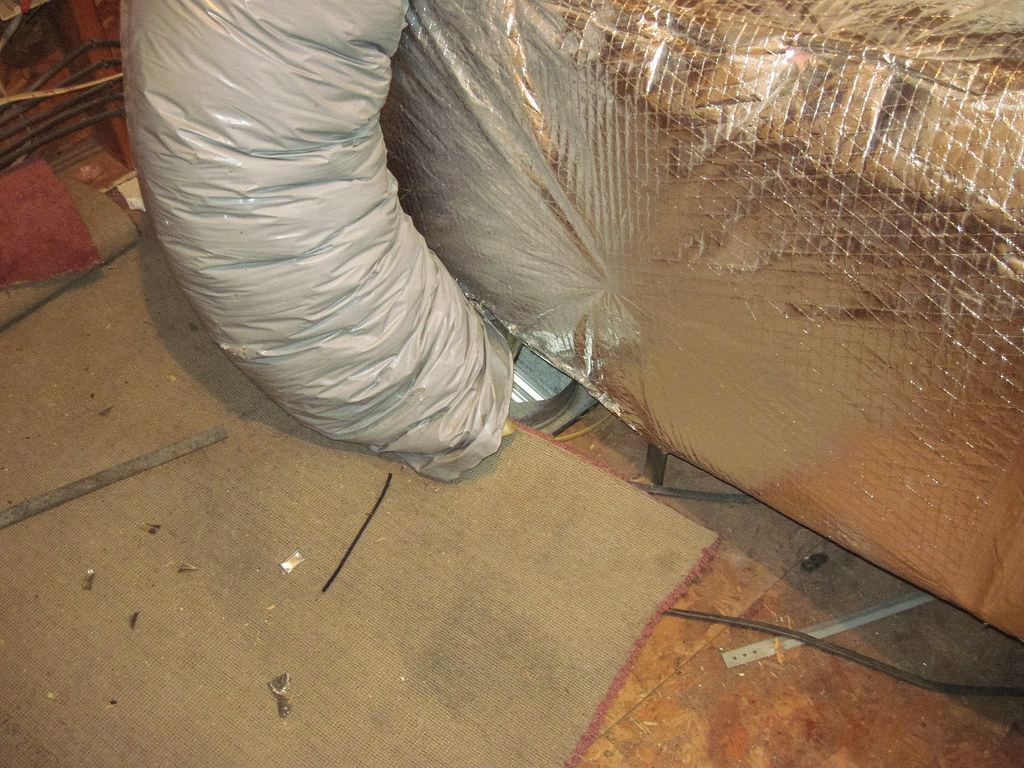
PROBLEM Kinked flexible duct restricting airflow
The flexible supply duct serving the rear bedroom is sharply kinked and beginning to pull apart at the register boot in the attic, reducing airflow to the room. Re-secure the connection and re-support the duct to restore a full interior diameter, or replace the run with rigid duct.
Code Ref: IMC M1601 — Duct systems
Kinked flex duct at register boot
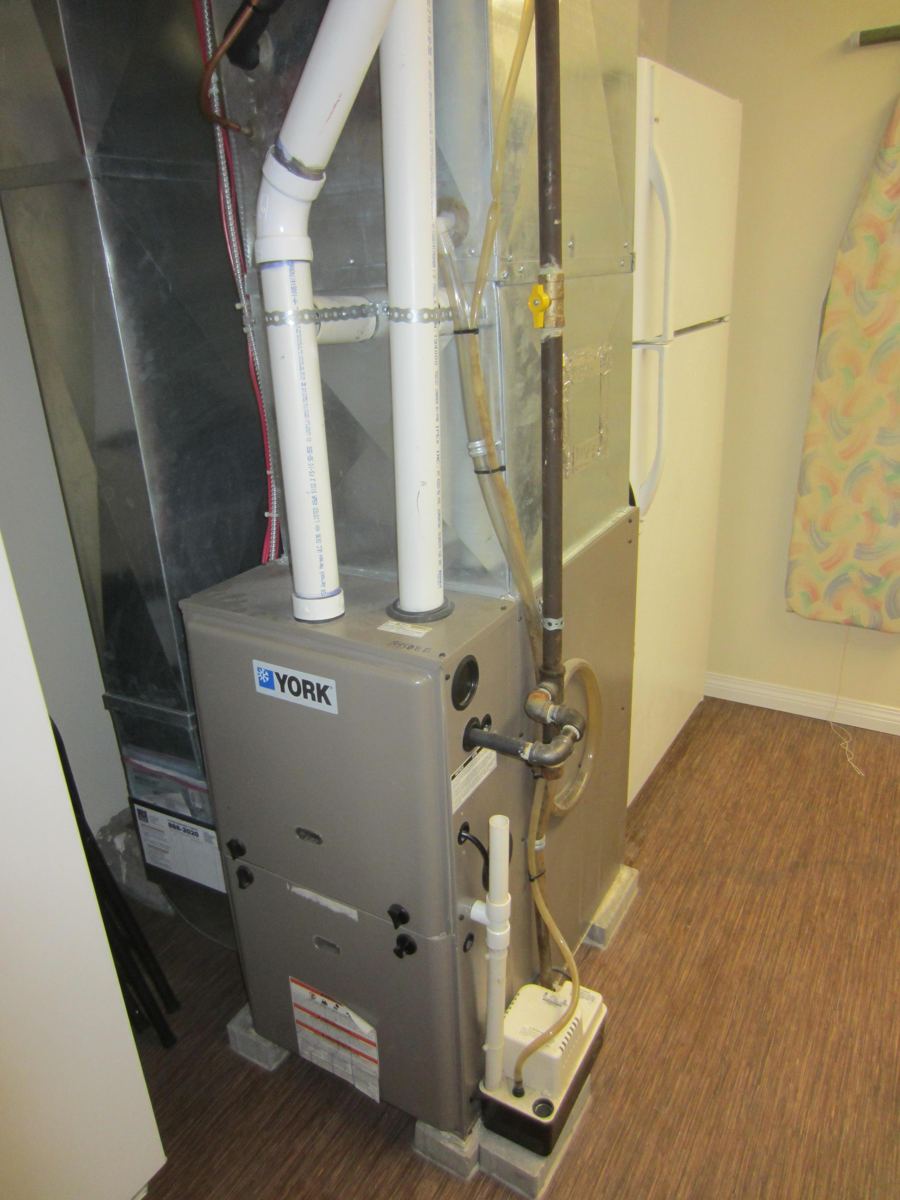
SERVICEABLE Furnace operation normal
The forced-air gas furnace (2016) ignited promptly with a steady flame and normal temperature rise. Recommend annual service and filter changes every 60–90 days.
Category: Fire Hazard
Area Photos
Forced-air gas furnace
🍳 Kitchen 3 findings · 2 problems · 1 serviceable
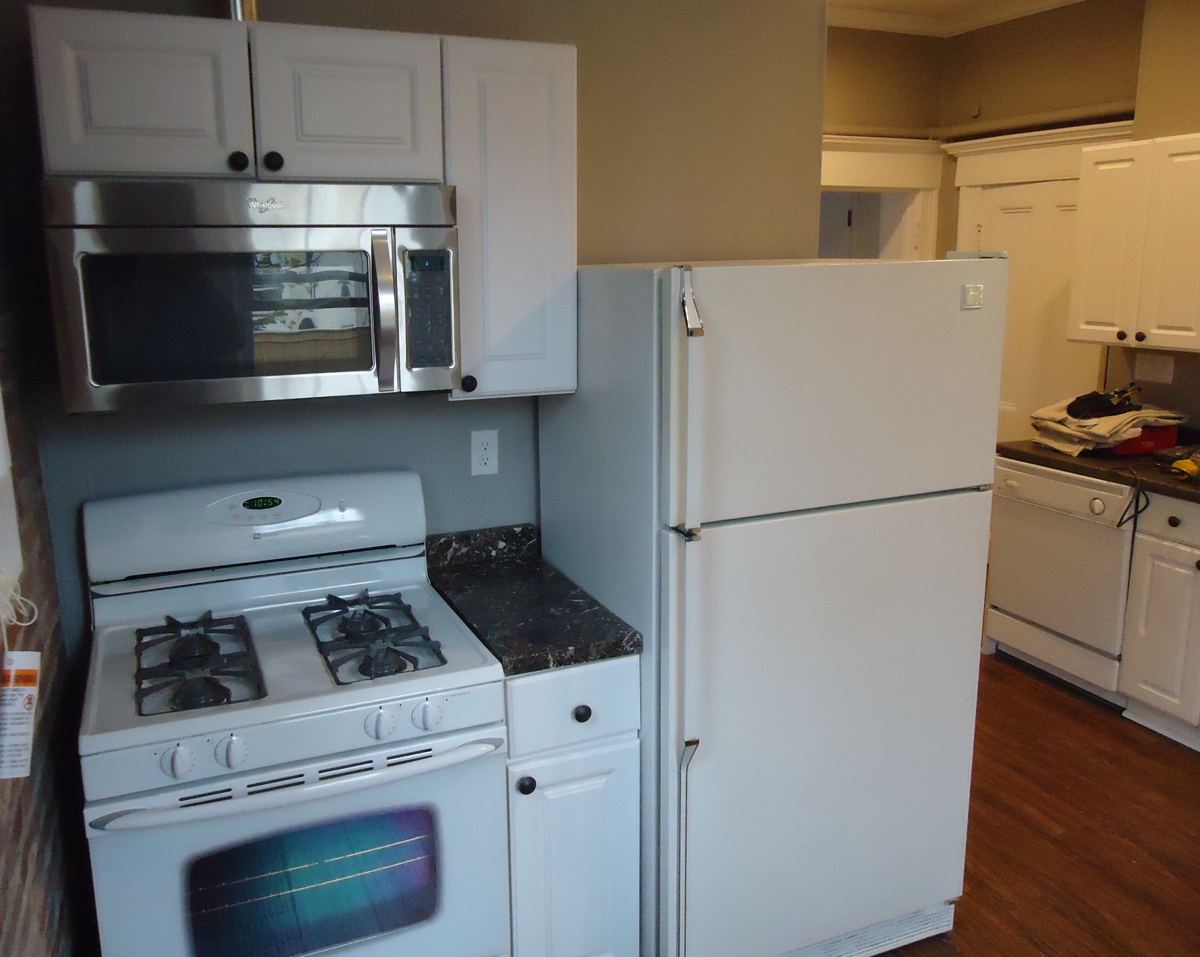
PROBLEM Range anti-tip bracket not installed
The freestanding range is not secured with an anti-tip bracket. A range can tip forward when weight is applied to an open oven door — a recognized hazard for children. Brackets are inexpensive and typically supplied with the appliance; install per the manufacturer's instructions.
PROBLEM Slow drain at kitchen sink
The kitchen sink drained noticeably slower than typical, suggesting a partial obstruction in the trap arm or branch line. Clear the line and retest; persistent slow drainage may indicate a bellied or grease-restricted branch.
Category: Plumbing
SERVICEABLE Cabinets, counters, and appliances serviceable
Built-in appliances operated with normal controls and responses. Cabinet doors, drawers, and countertop surfaces are in serviceable condition with typical wear.
Area Photos
Kitchen overview
Kitchen overview
🚿 Bathrooms 3 findings · 2 problems · 1 serviceable
Area Details: Primary and hall bathrooms inspected; findings noted by location.
PROBLEM Moisture damage on ceiling below hall bathroom
Brown staining and peeling paint on the dining-room ceiling align with the hall bathroom tub drain above. Moisture-meter readings at the stain were slightly elevated. The tub overflow gasket and drain connections should be evaluated and repaired before the ceiling is refinished; observe after repairs to confirm the leak is resolved.
Category: Plumbing
Stain at dining-room ceiling below hall bath
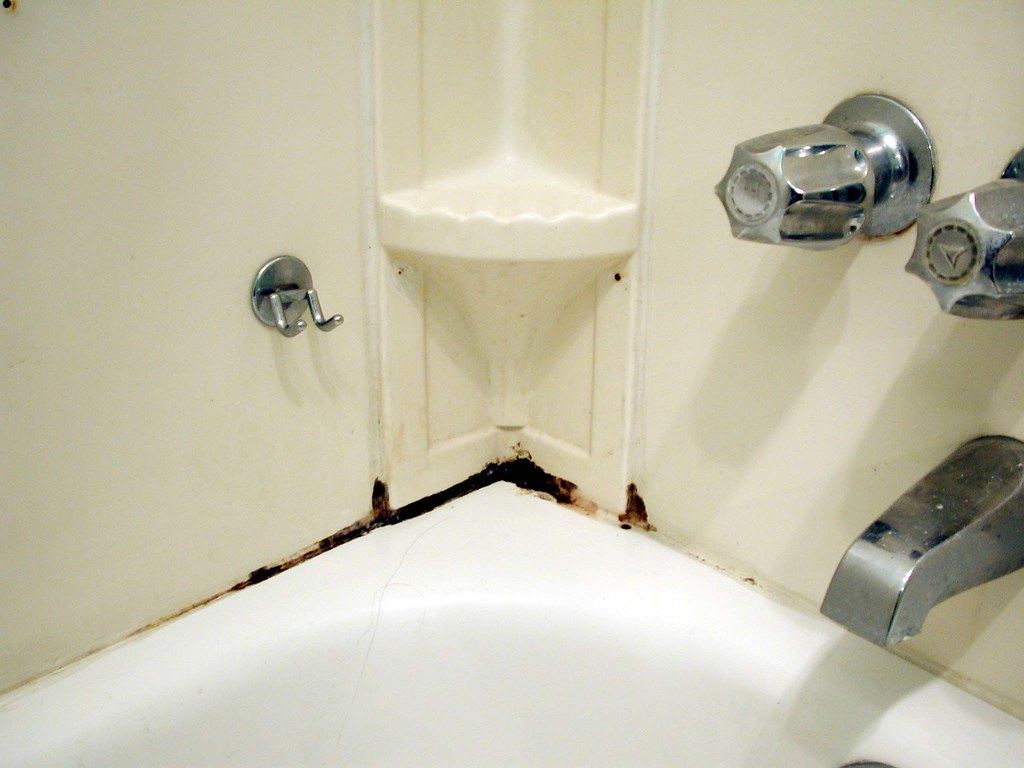
PROBLEM Failed caulk at tub surround
Caulk joints at the hall bathroom tub surround are cracked and separating, and grout is missing at several tile joints. Open joints admit water behind the surround and are the likely contributor to the ceiling stain below. Rake out and recaulk the joints; regrout open tile lines.
Category: Structural
Separated caulk joint at tub surround
SERVICEABLE Fixtures functional in both bathrooms
Toilets are secure, sinks and tub/shower valves operated with adequate flow, and drains ran freely. The primary bathroom exhaust fan vents to the exterior.
Category: Plumbing
Area Photos
Hall bathroom
Hall bathroom
🛋️ Interior Rooms 3 findings · 1 problem · 2 serviceable
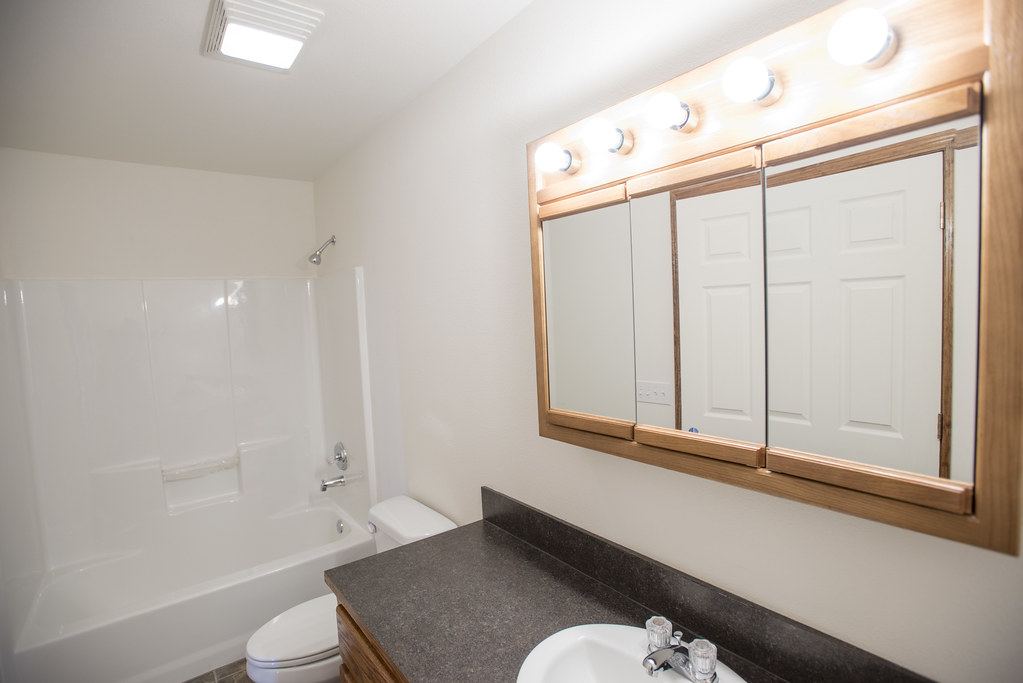
PROBLEM Failed thermal seals at two windows
Two double-pane units — the living-room picture window and the north bedroom window — show fogging between the panes, indicating failed insulated-glass seals. This is a comfort and cosmetic issue rather than structural; the sashes or glass units can be replaced individually.
Category: Structural
Interpane condensation, living-room window
SERVICEABLE Smoke and CO alarms present
Smoke alarms are installed on each level and in bedrooms, with a carbon-monoxide alarm on the main level. Test monthly and replace units older than 10 years.
Category: Fire Hazard
SERVICEABLE Walls, ceilings, floors show typical wear
Interior surfaces show minor cosmetic settlement cracks at door corners and typical wear consistent with the home's age. Doors latch properly and floors are serviceable.
Category: Structural
Area Photos
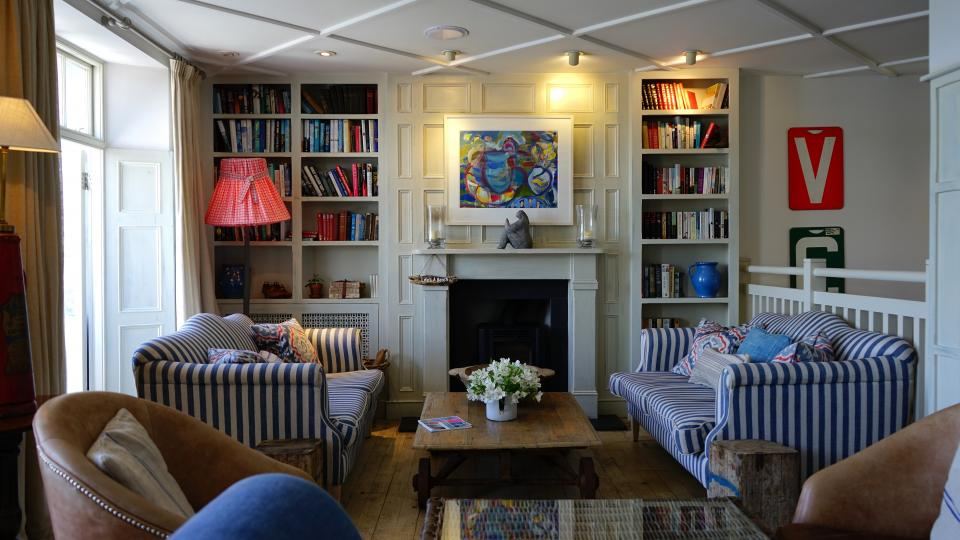
Living room and front windows
👕 Laundry 2 findings · 1 problem · 1 serviceable
PROBLEM Foil flex duct on dryer exhaust, heavy lint accumulation
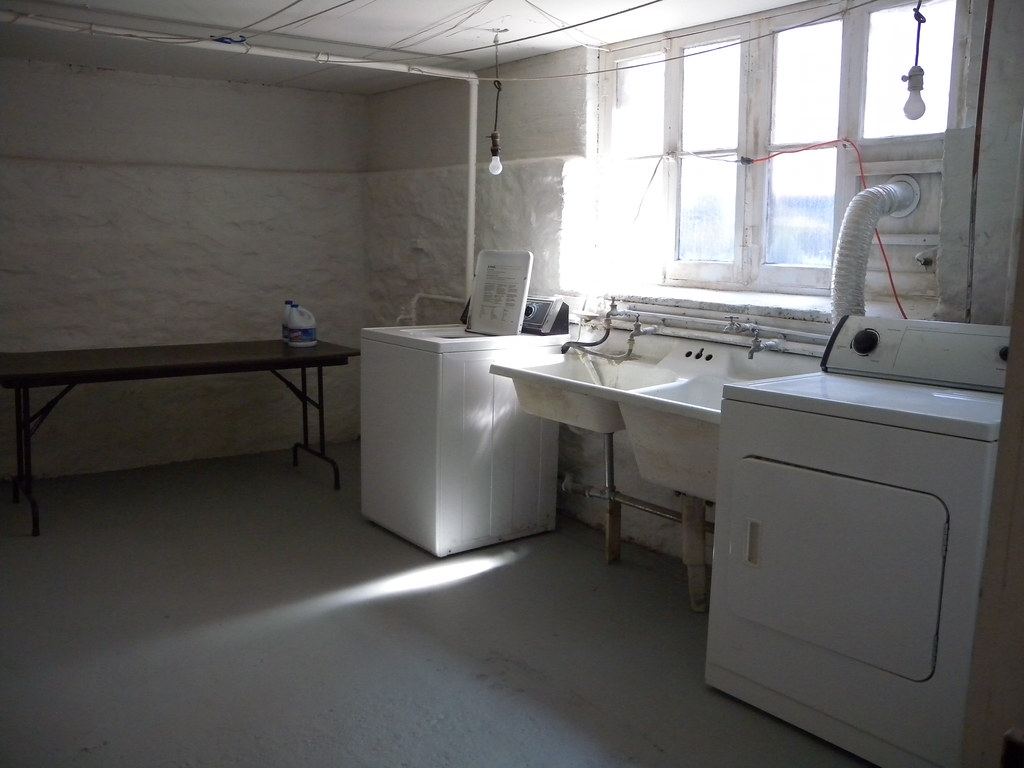
The dryer is vented with corrugated foil flex duct, and the duct interior is heavily lined with lint at the dryer connection. The ridged interior traps lint and the material is easily crushed — a recognized fire hazard and a restriction on dryer performance. Replace with smooth-wall rigid or semi-rigid metal duct and clean the full exhaust run.
Category: Fire Hazard Code Ref: IMC M1502.1 — Dryer exhaust required
Lint accumulation inside dryer flex duct
SERVICEABLE Supply hoses and drain serviceable
Washer supply valves operate, hoses are braided stainless, and the standpipe drains properly. No active leaks observed.
Category: Plumbing
Area Photos
Laundry area, lower level
Disclaimer & Limitations

This inspection report is based on visual observations made at the time of inspection. The inspection and report are intended to provide the client with information regarding the condition of the systems and components of the property as inspected at the time of the inspection.

This report is not a warranty or guarantee of the present or future condition of the property. Hidden or concealed defects cannot be included in this report. The inspection does not include areas that were inaccessible, obstructed, or unsafe to inspect at the time of the inspection.

The inspector recommends that qualified professionals be consulted for further evaluation of any items noted in this report. This report does not address code compliance unless specifically noted. The inspector does not determine life expectancy of any system or component.

This report is for the exclusive use of the client named herein. No other party may rely upon this report without the express written consent of the inspector. The scope of this inspection is limited to those items described in the inspection agreement.